Corner Window Without Columns: Structural Load Requirements for Cantilevered Designs
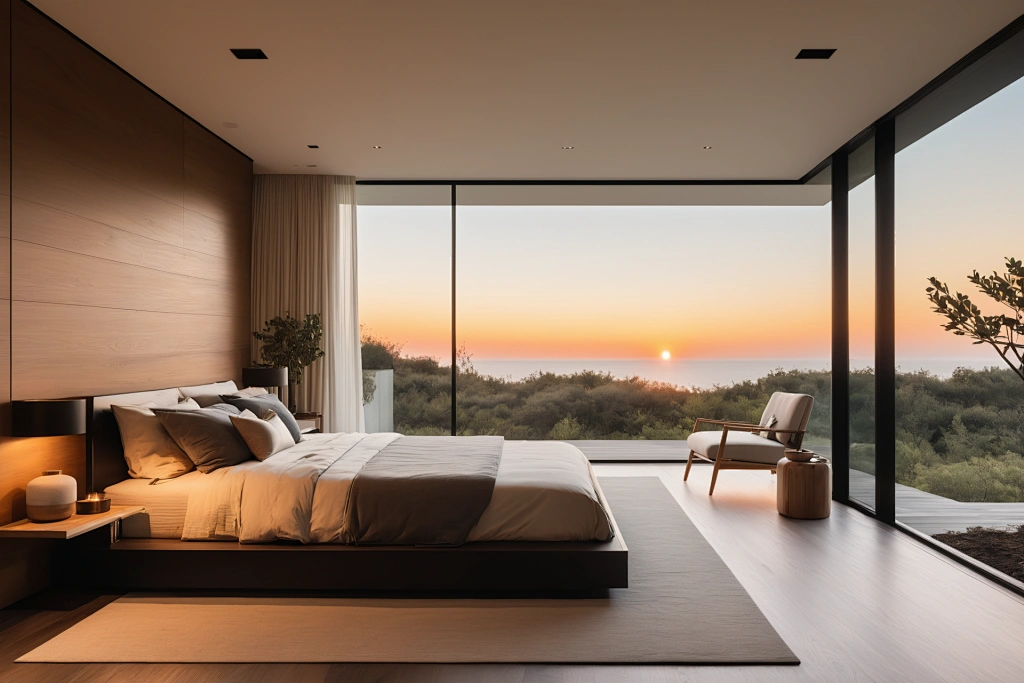
In modern high-end architectural lighting design, Corner Window has become a core highlight of office buildings, high-end residences and public buildings with its open vision and transparent spatial texture. The frameless Corner Window completely eliminates the visual obstruction of traditional corner columns, making 270° panoramic lighting and unobstructed viewing a reality. For general contractors and architectural design units, the core pain points in implementing this type of window are far more than visual presentation—blindly pursuing transparency while ignoring the beam-column load-bearing standards of cantilever structure corner window, omitting compliance calculation, and neglecting the impact of climate in different regions on craftsmanship will eventually lead to glass stress cracking, corner water seepage, high-rise wind pressure deformation, adhesive layer aging and falling off, etc. These problems not only increase the later maintenance cost and delay the construction period, but also fail to pass the project compliance acceptance, which is the key reason why many corner window projects are rejected. With years of experience in the industry, STATE CROWN is suitable for various large-scale engineering needs, providing a full-process service from scheme design, compliance calculation to mass production and on-site installation, meeting the requirements of various engineering standards.
Based on the practical experience of hundreds of large-scale Corner Window projects, we clearly find that the strict structural requirements of frameless Corner Window lie in the fact that the cantilever beam must completely replace the traditional corner column and become the only stress support point of the window. It should be noted that the self-weight of a large-width frameless Corner Window can reach 80-120kg per square meter alone. Coupled with the loads generated by instantaneous high-rise wind pressure and seasonal temperature expansion, all forces are directly transmitted to the cantilever beam and main beams of the building without any buffer space. The engineering field has a clear red line for the deflection control of cantilever beams, which must be stably controlled within L/300 (L is the clear span of the beam). This standard not only conforms to domestic engineering specifications, but also meets international architectural structural design requirements, which is a safety critical value obtained through numerous structural calculations and field tests. To be honest, the reason why many small manufacturers cannot undertake large-scale projects is that they omit the compliance structural calculation link and replace load-bearing profiles with ordinary profiles, which can neither meet the precision requirements of mass installation nor reach the engineering acceptance standards. All Corner Window schemes of STATE CROWN have passed third-party compliance calculation and issued complete structural safety reports, suitable for the mass implementation of large-scale projects.
Once the deflection exceeds the standard, the slight deformation of the beam will continuously squeeze the glass edges. Even high-strength tempered glass will gradually produce internal cracks. Especially in tropical and subtropical regions, when the sun shines directly for more than 2 hours on summer afternoons, the difference in heating area and expansion speed between the glass on both sides of the corner can reach more than 15℃, and the thermal stress difference will accelerate the spread of hidden cracks, eventually leading to corner window thermal stress explosion; in cold regions, the excessive temperature difference between indoor and outdoor in winter will also cause uneven glass shrinkage and aggravate hidden dangers. More insidiously, excessive deflection will also damage the sealing structure at the corner, leading to rainwater seepage from the gaps and erosion of the building wall. Later maintenance not only requires disassembling the window and repairing the wall, but also delays the overall project delivery, doubling the cost. For large-scale projects, such hidden dangers not only affect the project reputation, but also may lead to compliance accountability, which is one of the core pain points most concerned by B-end customers.
To safely implement Corner Window projects in different regions and scales, three mature structural schemes in the industry can exactly solve different load-bearing, lighting and compliance pain points. The detailed control of each scheme directly determines the success or failure of the project, and is more suitable for large-scale mass implementation:
- Structural Glazing Full-Glass Docking Scheme: High-toughness silicone structural adhesive (weather resistance temperature range -40℃ to 80℃) is used to achieve seamless glass docking without external frames, perfectly restoring the panoramic view. It is suitable for small and medium-sized Corner Window (single fan width not exceeding 1.8m), and is applicable to mass projects such as multi-storey residences and small-scale commerce. There is an easily overlooked detail here—the thickness of the adhesive layer must be controlled between 8-12mm, and it needs to be left to cure for more than 72 hours after glue injection to avoid the adhesive layer bearing load before curing. At the same time, the adhesive material must pass compliance certifications such as ISO9001 and CE to adapt to environmental protection and safety standards in different regions. STATE CROWN adopts automatic glue injection equipment to accurately control the thickness and uniformity of the adhesive layer, ensuring the process consistency of each window during mass production, avoiding the hidden danger of adhesive layer falling off from the source, and providing complete material certification reports to assist in project acceptance.
- Hidden Steel Cantilever Scheme: Custom Q355B steel cantilever beams (thickness not less than 12mm) are embedded inside the glass profiles. The steel meets international architectural steel standards, and its performance is basically equivalent to European EN S355JR steel. The load-bearing capacity is more than 60% higher than that of the full-glass scheme, perfectly solving the problem of insufficient load-bearing capacity of medium and large Corner Window (single fan width 1.8-3.0m), and is suitable for most large-scale projects such as high-rise residences and office buildings. It is worth mentioning that shock-absorbing gaskets should be installed at the connection between the cantilever beam and the glass to avoid stress caused by direct friction between metal and glass, which is also a key detail in high-rise corner window installation, especially suitable for engineering needs in windy and earthquake-prone areas. STATE CROWN can customize cantilever beam specifications according to the mass needs of the project, and provide steel material testing reports simultaneously to ensure compliance with project requirements.
- Heavy-Duty Stepped Laminated Glass Edge Sealing Scheme: The concentrated stress at the corner is dispersed through stepped thickened glass edges (5-8mm thicker than ordinary glass), combined with double-layer laminated technology (laminated layer thickness 1.52mm). The glass adopts Low-E Coated Glass, which not only fundamentally reduces the risk of corner window thermal stress explosion, but also improves sound insulation and heat insulation performance. It is suitable for different climate regions such as tropical and cold zones, and is mostly used in mass projects of large-width public buildings and super high-rise landmarks (single fan width exceeding 3.0m). STATE CROWN can customize glass thickness and laminated layers according to building wind pressure and load-bearing requirements, and provide glass 3C, CE and other compliance certifications, adapting to engineering acceptance standards in different regions, and supporting large-scale mass production and standardized on-site installation.
What really troubles engineering parties is far more than structural load-bearing. The three high-frequency hidden dangers after Corner Window installation are the core pain points of later operation and maintenance, each directly hitting the core demands of engineering parties, especially suitable for large-scale projects in different regions: First, the differential settlement of the building main body. Especially for newly built buildings, although the settlement is small (usually no more than 5mm per year), under long-term extrusion, large-size glass is prone to edge cracking and window deformation, which leads to extremely high maintenance costs for mass projects; second, thermal stress hidden dangers. In addition to direct sunlight, excessive indoor and outdoor temperature difference (more than 20℃) in winter will also cause uneven glass shrinkage and cracks, which is particularly prominent in cold and temperate regions; third, waterproof hidden dangers. The 90° corner joint is a natural waterproof dead corner. Insufficient mechanical corner assembly accuracy (error exceeding 0.5mm) and incomplete glue injection (glue injection pressure needs to be controlled between 0.3-0.5MPa) will lead to rainwater seepage and adhesive layer aging and falling off. Especially in coastal areas with more salt fog and typhoons, it will accelerate the corrosion of the adhesive layer, shorten the service life of Corner Window, and affect the later operation and maintenance reputation of the project. STATE CROWN optimizes waterproof and thermal stress resistance processes according to the climate characteristics of different regions, and equips a professional supervision team during mass installation to strictly control construction accuracy and reduce later hidden dangers.
According to the wind pressure characteristics of buildings of different heights, beam-column load-bearing conditions, and the core requirements of corner window beam-column bearing, combined with the measured engineering data of different climate regions around the world (covering more than 20 major regions such as tropical, cold and coastal areas), STATE CROWN has compiled an accurate configuration ratio table, clarifying the core parameters of each scenario and marking relevant compliance standards, avoiding wind pressure deformation, glass cracking, insufficient load-bearing and other problems from the source, helping the project pass acceptance quickly and adapting to large-scale mass implementation. The table is as follows:
| Wind Pressure (Kpa) | Applicable Building Height | Recommended Glass Configuration (mm) | Cantilever Beam Bearing Requirement | Cantilever Beam Material | Applicable Climate Zones | Core Compliance Certifications |
| ≤1.2 | 1-15 Floors | 8+12A+8 (Insulated Tempered Glass) | ≥2.5kN/m | Q235B Steel | Temperate, Subtropical Low-Wind Zones | ISO9001, 3C |
| 1.2-2.0 | 16-30 Floors | 10+18A+10 Laminated (Insulated Laminated Tempered Glass) | ≥4.0kN/m | Q355B Steel (Equivalent to EN S355JR) | Windy, Temperate Regions | CE, ISO9001 |
| >2.0 | Above 30 Floors | 12+20A+12+12 Laminated (Heavy-Duty Insulated Laminated Glass) | ≥6.0kN/m | Q355B High-Strength Steel (Equivalent to EN S355JR) | Coastal, Typhoon, Cold Zones | CE, ISO14001, 3C |
Many designers struggle with how to balance aesthetics and safety when creating panoramic corner window design. In fact, the core idea is not complicated: first conduct load-bearing survey on the building beams and columns, then match the corresponding glass and cantilever structure according to the wind pressure value. STATE CROWN provides structural calculation and customized solutions throughout the process, equips a professional technical team to conduct on-site surveys, optimizes the production and installation process according to the mass needs of the project, avoids large-scale rework in the later stage due to early design omissions, and provides complete compliance acceptance materials to help the project pass the review smoothly.
Frequently Asked Questions
Q: What irreversible hidden dangers will be caused by excessive deflection of frameless Corner Window?
A: Excessive deflection will continuously squeeze the glass to produce hidden cracks, and at the same time damage the corner sealing structure, leading to water seepage, window deformation and other problems. The later maintenance cost is extremely high, and it may also affect the project compliance acceptance, leaving potential safety hazards. STATE CROWN will strictly calculate the deflection during the scheme design stage to avoid such problems from the source.
Q: How can large-size Corner Window resist damage caused by building differential settlement?
A: Elastic shock-absorbing gaskets can be installed at the connection between the window frame and the beams and columns to reserve a small amount of expansion space. At the same time, flexible sealant is selected to buffer the extrusion stress caused by settlement. STATE CROWN will customize exclusive adaptive schemes according to the building settlement data and the mass needs of the project, reducing the damage risk caused by settlement.
Q: How can high-rise corner window installation meet the strict engineering wind pressure acceptance standards?
A: Select glass and profiles in strict accordance with the wind pressure ratio table, equipped with reinforced cantilever structure. Complete wind pressure simulation tests before delivery (simulate extreme wind pressure environment to ensure no deformation or seepage of the window). Strictly control the construction accuracy during on-site installation, and conduct water spray and wind pressure tests after completion to ensure full compliance with the acceptance standards. STATE CROWN can provide complete test reports to assist in project acceptance.
Q: How to implement corner window waterproof technology to eliminate later water seepage rework?
A: Adopt CNC mechanical corner assembly (precision error controlled within 0.5mm) + dual weather-resistant adhesive injection technology (glue injection pressure 0.3-0.5MPa to ensure full adhesive layer), install waterproof strips at the corners, and conduct 48-hour water spray test after completion before entering the next process. During mass installation, STATE CROWN is equipped with a professional supervision team to fully control the waterproof process and eliminate water seepage hidden dangers.
Q: What structural information needs to be provided to the manufacturer in advance when customizing Corner Window?
A: It is necessary to provide building beam-column load-bearing data, cantilever span, building height, local wind pressure parameters, as well as the mass needs of the project and the applicable climate zone, so that the manufacturer can accurately design the load-bearing scheme, match the glass and profile specifications, and issue a compliance calculation report to ensure that the scheme meets the actual needs of the project.
The core value of Corner Window is never pure visual transparency, but a two-way balance between safety and aesthetics, as well as a comprehensive consideration of engineering compliance, mass implementation and long-term operation and maintenance. Rooted in the field of door and window manufacturing, STATE CROWN focuses on the engineering pain points of Corner Window such as structural load-bearing, thermal stress protection and waterproof sealing. Combined with the climate characteristics and engineering standards of different regions around the world, it creates a full-process customized solution. From scheme design, compliance calculation to mass production, on-site installation and after-sales operation and maintenance, it provides full protection. With engineering-level structural standards and refined technology, every frameless Corner Window can balance panoramic vision, structural safety and compliance requirements, adapting to the needs of various large-scale projects.
Contact State Crown
Explore the State Crown products
SLIDING DOOR
OCEANIA SLIDING DOOR GB-128
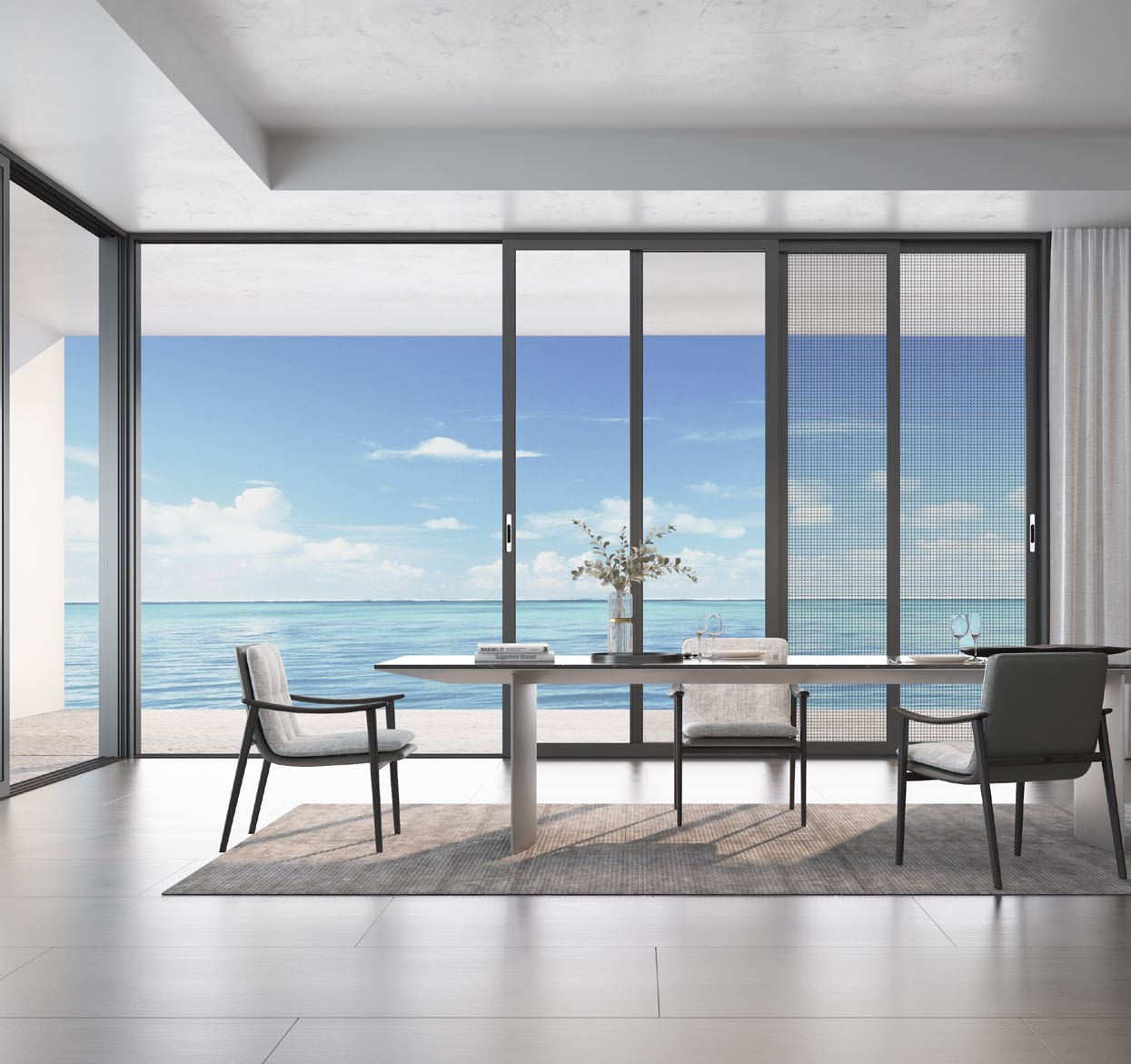
Constructed with a non-thermal break design and 5mm+15A+5mm double tempered glass, the GB-128 offers enhanced safety and insulation. Its hardware, engineered by Bonway, ensures seamless movement a...
Windows
OCEANIA AWNING WINDOW GB-55
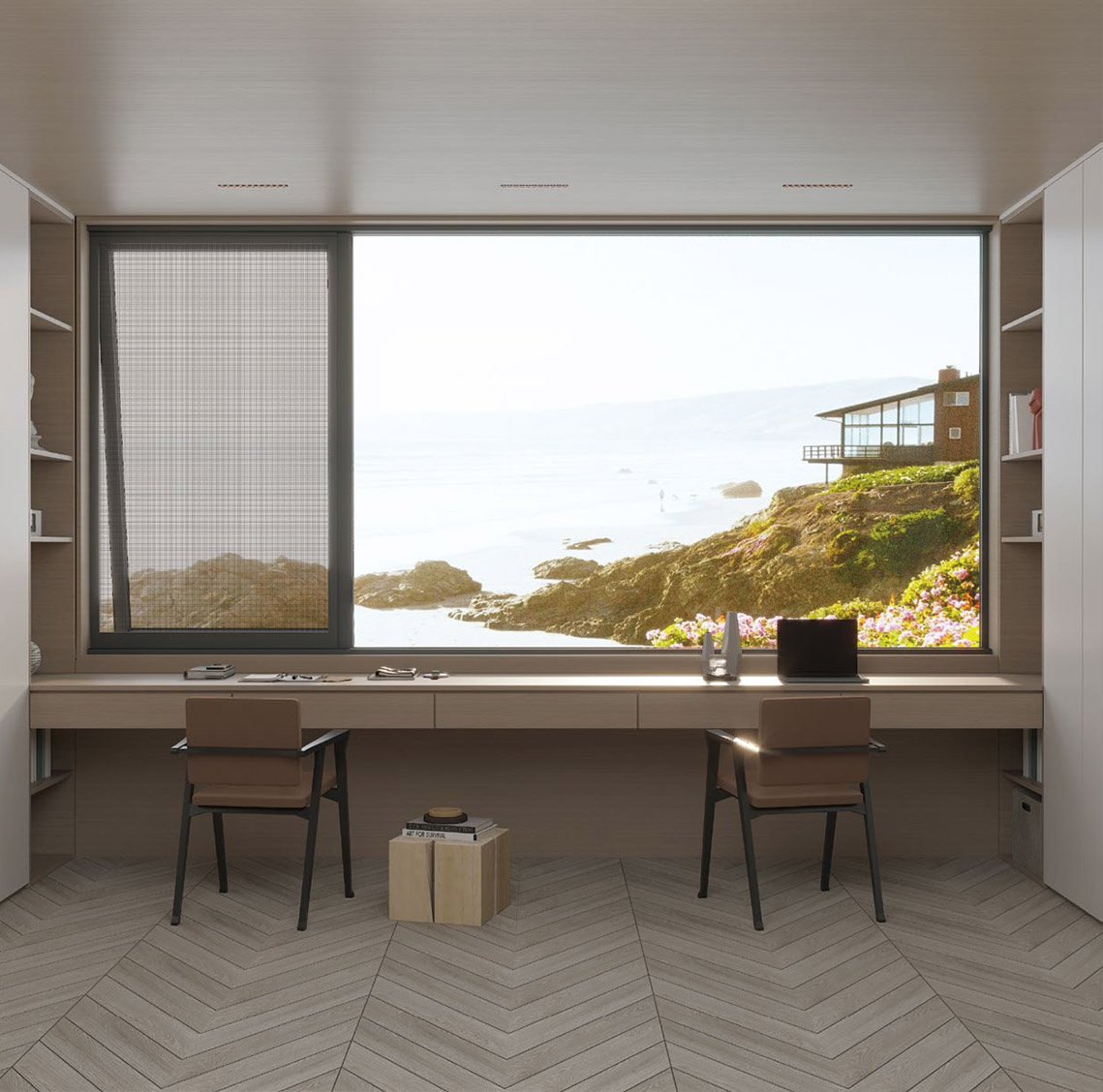
The OCEANIA AWNING WINDOW GB-55 combines robust engineering with user-friendly operation, offering smooth hand-crank functionality ideal for hard-to-reach placements. Designed with heavy-duty stai...
CASEMENT WINDOW
CASEMENT WINDOW WITH MESH GB-106
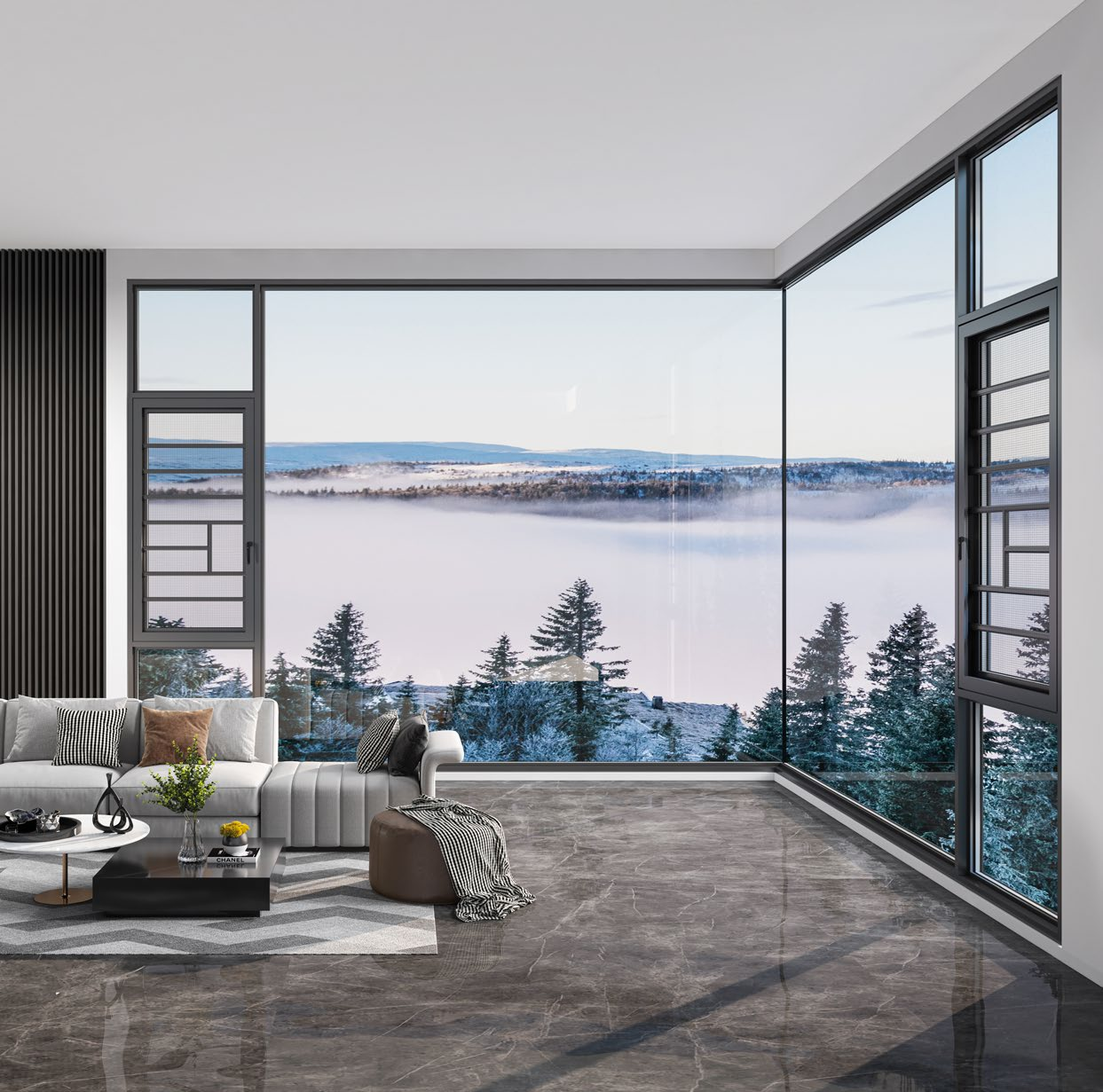
Ideal for enhanced ventilation and insect protection, the GB-106 casement window combines elegant design with high functionality. Its built-in mesh screen allows continuous fresh airflow while kee...
Contact State Crown
Custom Solutions for Global Projects
Established in 2005, we specialize in the customization of premium aluminum alloy doors and windows. With over ten years of industry experience, we are committed to the product philosophy of "Safety, Practicality, and Advanced Technology".
- ISO9001 Quality Management System
- EU CE certification
- IPMS (Intellectual Property Management System)
- Australian, American, and Canadian standards
We are located in Foshan, Guangdong, just under one hour's drive from Guangzhou Baiyun International Airport, in the heart of the Pearl River Delta Economic Zone.
If you are interested in any of our products, or would like to discuss a custom order, please feel free to contact us. We look forward to building long-term business relationships with clients around the world.