Aluminum Windows and Doors NFRC vs AAMA Certification: Thermal Performance & Structural Grade Alignment for Commercial Projects
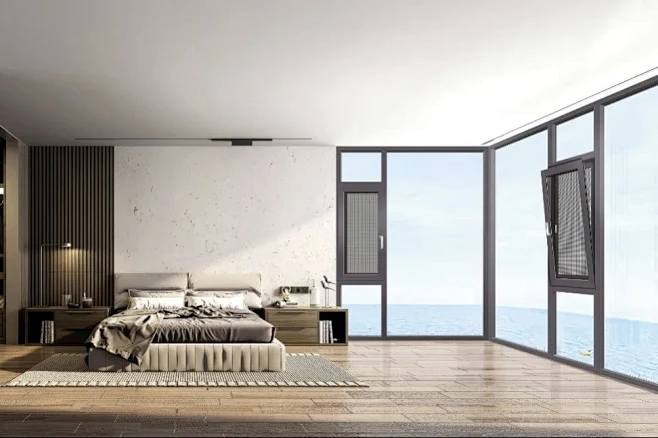
Practitioners involved in the implementation of large-scale commercial buildings all face the same confusion during the selection of aluminum windows and doors: clients require verification of both the energy efficiency values and structural performance reports of aluminum windows and doors. The two certifications, NFRC and AAMA, seem independent but directly determine whether a project can pass compliance acceptance. According to the latest industry report by IndexBox (December 2025), the U.S. aluminum windows and doors market reaches 76 million units annually with a volume of 13.7 billion US dollars, and China is one of the core supply sources. Mastering the alignment logic of the two certifications is the core prerequisite for aluminum windows and doors to adapt to commercial projects. The NFRC Certified Products Directory has included more than 140,000 certified products, and the AAMA online CPD database has collected more than 90,000 products, among which aluminum windows and doors account for the mainstream category. The alignment logic of the two certifications has long become the underlying basis for door and window selection in commercial projects.
NFRC: Core Energy Efficiency Rating System for Aluminum Windows and Doors
As an independent third-party non-profit organization, NFRC is the core basis for energy efficiency compliance in commercial buildings. The thermal performance certification of aluminum windows and doors issued by NFRC is directly adopted by the 2026 IECC International Energy Conservation Code, which is far more credible than the values calculated by manufacturers themselves. Many people confuse the center-of-glass U-value with the whole-window U-Factor, which is a high-frequency pitfall in commercial projects. NFRC requires professional software THERM+WINDOW for full-window simulation testing, covering all components such as frames, thermal breaks, glass edges, and splicing gaps, rather than the center parameters of a single glass. This is the key to the higher credibility of NFRC whole-window U-value testing.
Core indicators of NFRC labels for aluminum windows and doors (must-see for commercial projects):
- U-Factor: Overall thermal insulation coefficient; the lower the value, the stronger the thermal insulation capacity. Thermal-break aluminum windows and doors can achieve below 0.20, reaching R-5 high energy efficiency level
- SHGC Solar Heat Gain Coefficient: 0-1 range; the lower the value, the more prominent the effect of blocking solar radiant heat in summer
- VT Visible Transmittance: Balances natural lighting and energy conservation needs, commonly used in 0.4-0.7 range for commercial public buildings
- CR Condensation Resistance: Evaluates the risk of door and window condensation in low-temperature environments, a necessary verification item for high-humidity commercial scenarios
For large commercial projects with integrated curtain walls and window walls, NFRC also provides CMA component modeling services, which can customize thermal data according to the actual size of the project to avoid parameter deviations between standard sample windows and actual products. This is also the core technical support for high-end aluminum windows and doors to adapt to large commercial projects.
AAMA/NAFS: Criterion for Structural Safety Grades of Aluminum Windows and Doors
NAFS (AAMA/WDMA/CSA 101/I.S.2/A440) led by AAMA is the unified standard for structural performance of aluminum windows and doors in current commercial projects, focusing on actual combat performance such as air tightness, water tightness, wind pressure resistance, and forced intrusion resistance. It is equivalent to a comprehensive structural compression test for aluminum windows and doors. Different from NFRC’s simulation calculation, AAMA adopts all laboratory physical tests, and the data is more in line with the actual use scenarios of the project. AAMA structural grade of aluminum windows and doors has also become the core basis for clients to classify product grades.
NAFS Four Performance Grades Corresponding to Commercial Project Application Table:
| Class | Full Name | Core Application Scenarios | Key Performance Requirements |
|---|---|---|---|
| R | Residential | Single-family homes, light auxiliary buildings | Basic wind pressure resistance, conventional water tightness |
| LC | Light Commercial | Low-to-mid-rise multi-family buildings, community commercial complexes | Medium load, meeting basic commercial compliance |
| CW | Commercial | Mid-to-low-rise offices, commercial complexes | Strict deflection limits, adapting to conventional municipal commercial projects |
| AW | Architectural | Super high-rise towers, coastal landmark buildings | Extreme wind pressure, strict weather resistance, highest structural grade |
Each class is matched with a PG (Performance Grade) value, such as AW-PG70 and AW-PG90. The higher the number, the stronger the wind pressure resistance and structural stability. AW-class aluminum windows and doors are also the standard choice for high-end commercial landmark projects. STATE CROWN has been deeply engaged in the R&D and certification of aluminum windows and doors for many years. Its products cover all levels of AAMA certification and adapt to commercial projects of different scales. Detailed parameters can be found on the official website.
Core Differences Between NFRC and AAMA Testing Logic
The testing logic of the two certifications is completely different, but they together form a complete evaluation system for aluminum windows and doors, which is the core reason why commercial projects require dual certifications. NFRC focuses on computer simulation, centering on the uniformity and comparability of energy efficiency data to solve the energy efficiency compliance of aluminum windows and doors; AAMA focuses on physical testing, focusing on product durability and structural safety to solve the reliability of long-term project use. The two do not have an alternative relationship, but are dual rigid demands of commercial projects for aluminum windows and doors, just like a building must meet both energy efficiency standards and structural safety acceptance, neither can be missing.
Dual Certification Alignment Selection Table for Aluminum Windows and Doors in Commercial Projects
Combined with the 2026 IECC U-Factor limits for fixed windows in different climate zones and the profile configuration of aluminum windows and doors, a general selection standard for commercial projects is sorted out, which is also the core reference for STATE CROWN product R&D:
| Project Type | Recommended AAMA Class | Recommended NFRC U-Factor | Standard Aluminum Windows and Doors Configuration | Typical Applications |
|---|---|---|---|---|
| Low-rise Commercial | LC | ≤0.38 (Zone 3) | 24mm thermal break + Low-E double glazing | Community stores, convenience centers |
| Mid-rise Office | CW | ≤0.34 (Zone 4-5) | 28mm thermal break + Low-E double glazing | Commercial office buildings, boutique hotels |
| High-rise/Landmark | AW | ≤0.25 (Zone 8) | 34mm polyamide thermal break + triple glazing with two cavities | Super high-rise towers, coastal commercial complexes |
The initial U-Factor of conventional thermal-break aluminum windows and doors is about 0.5 Btu/hr·ft²·°F. After upgrading to high-performance polyamide thermal breaks, energy efficiency can be improved by more than 30%, perfectly adapting to IECC requirements in harsh climate zones.
Frequently Asked Questions about Aluminum Windows and Doors Certification in Commercial Projects
Q1: After aluminum windows and doors obtain AAMA certification, is NFRC certification still necessary?
Absolutely necessary. AAMA certification guarantees the structural safety of aluminum windows and doors, coping with wind pressure, rainwater, and long-term use loss; NFRC certification is the only official basis for energy efficiency compliance. IECC codes clearly require the use of NFRC whole-window data. Both certification reports are necessary documents for the completion acceptance of commercial projects, which are complementary and irreplaceable.
Q2: Why is there a big gap between the heat transfer coefficient tested by manufacturers and the NFRC U-Factor?
The core reason is the different calculation scope. The domestic Kg value is usually measured for the glass center, only representing the performance of a single glass; the NFRC U-Factor is the overall value of the whole aluminum windows and doors, including all components such as frames, thermal breaks, and splicing seams, with a difference usually 20%-40%. If the size of project doors and windows far exceeds the NFRC standard sample window, CMA modeling correction is also required, which is also an exclusive technical service provided by STATE CROWN for customers.
Q3: What special requirements are there for aluminum windows and doors certification standards for commercial projects in Canada?
Canada also adopts the unified NAFS standard, but adds stricter supplementary clauses: air penetration testing requires two-way detection (intake + exhaust), and water tightness test pressure is independently evaluated from wind pressure, with a higher threshold than the US domestic requirements. At the energy efficiency level, CSA A440.2 and NFRC 100 standards are mutually recognized. STATE CROWN’s aluminum windows and doors have completed dual-region certification adaptation and can directly connect to Canadian commercial projects.
Q4: How does thermal break width affect the compliance of aluminum windows and doors with dual certifications?
The thermal break is the core component for aluminum windows and doors to meet both NFRC energy efficiency and AAMA structure. 24mm-34mm wide polyamide thermal breaks can not only reduce the U-Factor to meet NFRC requirements, but also ensure the frame strength to reach CW and AW level AAMA structural standards. Too narrow thermal breaks will sacrifice energy efficiency, and too wide may weaken structural stability, which is why STATE CROWN products adhere to the 28mm starting thermal break design.
Q5: Can small commercial projects simplify certification and only do single certification?
Not recommended. Even if the project scale is small, local building codes will simultaneously verify energy efficiency and structure. Single certification will lead to the project failing to pass acceptance, and the later rectification cost is much higher than the initial certification investment. STATE CROWN can provide a one-stop dual certification solution for aluminum windows and doors, following up the whole process from design to testing to reduce customer compliance costs.
Contact State Crown
Explore the State Crown products
CASEMENT WINDOW
CASEMENT WINDOW GB-55

Equipped with heavy-duty stainless steel internal gears and anti-corrosion linkage systems, the GB-55 ensures consistent and effortless single-hand control. Its precision-engineered mechanism supp...
SLIDING DOOR
HEAVY DUTY LIFT-SLIDE DOOR GB-127
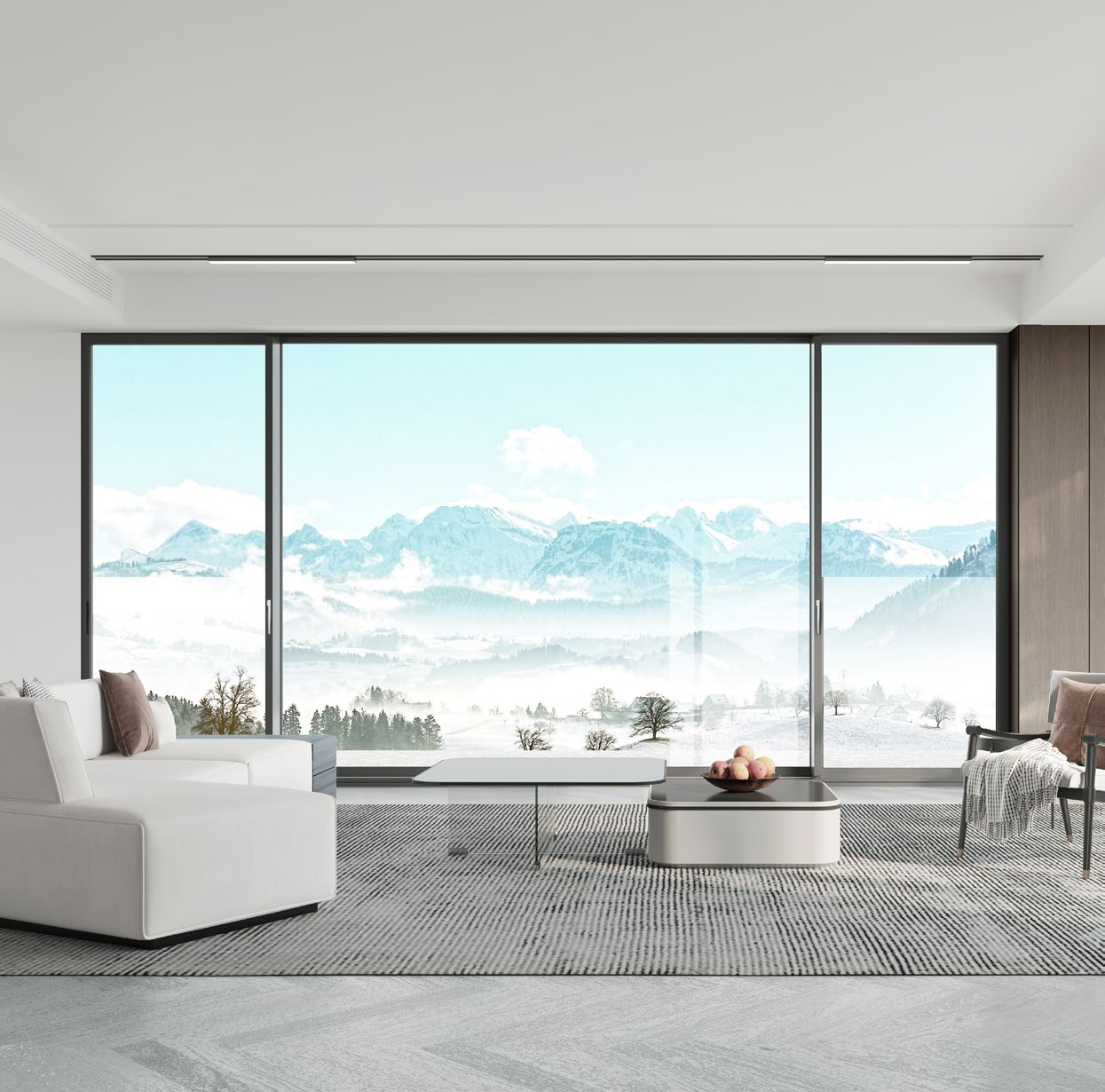
The GB-127 Heavy Duty Lift-Slide Door combines robust engineering with effortless operation, designed to meet high performance standards in both commercial and residential settings. Its innovative...
SLIDING WINDOW
HEAVY DUTY LIFT-SLIDE WINDOW GB-90
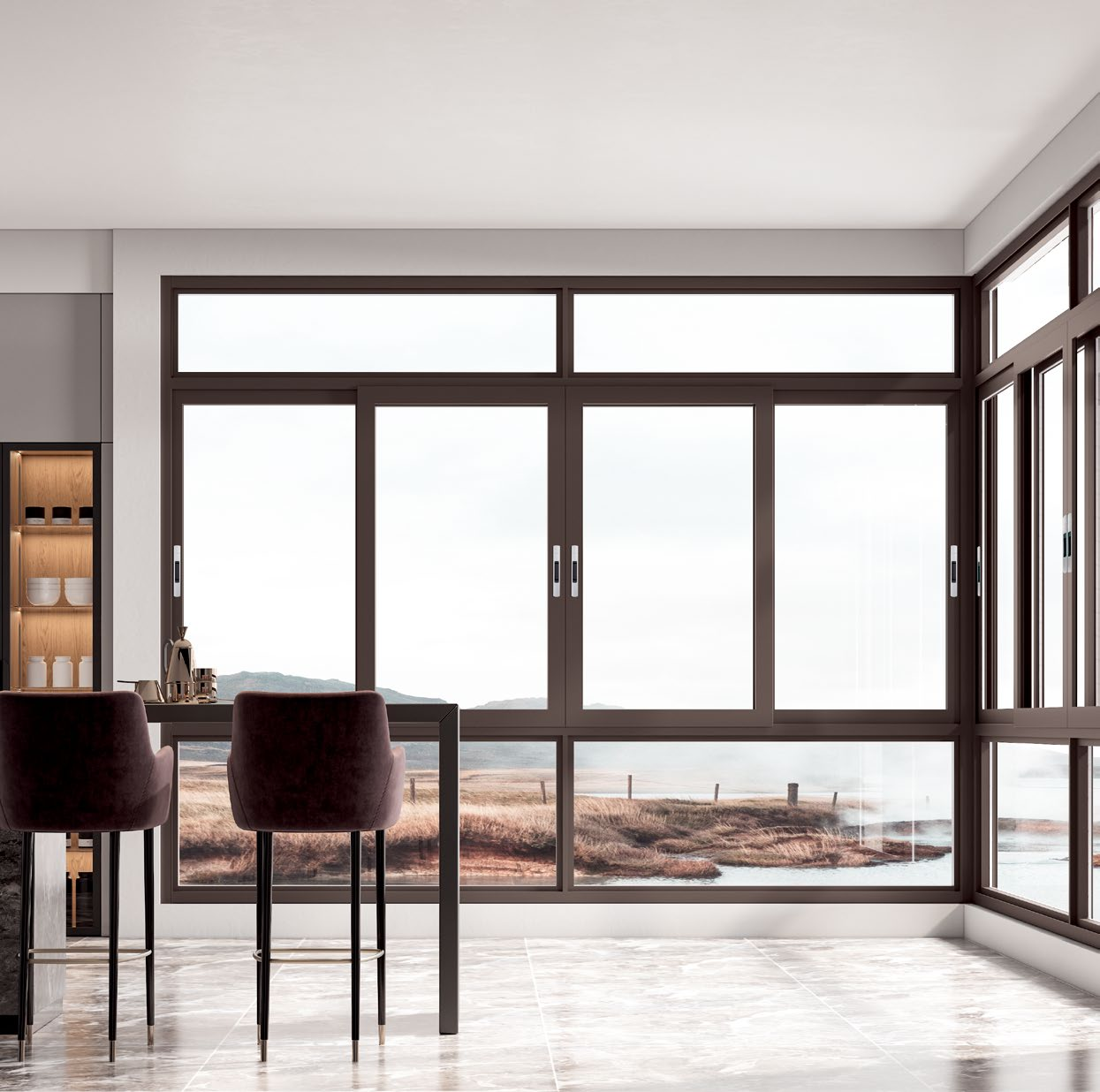
Designed to support smooth and stable operation even under heavy loads, the GB-90 features reinforced stainless steel components and anti-corrosion treated linkage systems for extended service lif...
Contact State Crown
Custom Solutions for Global Projects
Established in 2005, we specialize in the customization of premium aluminum alloy doors and windows. With over ten years of industry experience, we are committed to the product philosophy of "Safety, Practicality, and Advanced Technology".
- ISO9001 Quality Management System
- EU CE certification
- IPMS (Intellectual Property Management System)
- Australian, American, and Canadian standards
We are located in Foshan, Guangdong, just under one hour's drive from Guangzhou Baiyun International Airport, in the heart of the Pearl River Delta Economic Zone.
If you are interested in any of our products, or would like to discuss a custom order, please feel free to contact us. We look forward to building long-term business relationships with clients around the world.