Sliding Windows for Balcony Enclosure: Leakage Issues? Configuration Matters!
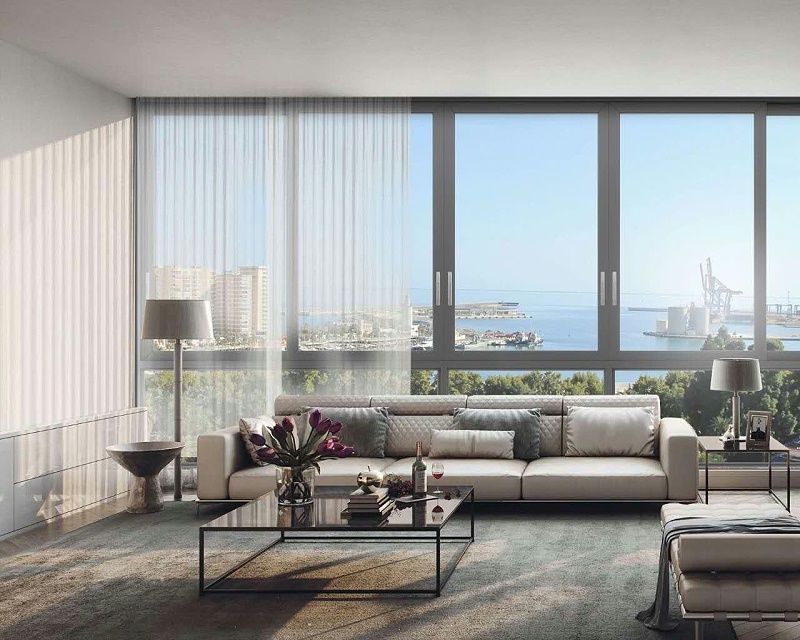
When enclosing a balcony, many people give priority to sliding windows because of their obvious advantages of “great ventilation, wide view, and no space occupation”. However, the preconceived notion of “poor sealing, air leakage, and water leakage” makes many people hesitate. In fact, this is not an inherent defect of sliding windows but rather likely due to the wrong choice of core configurations. Today, let’s talk about how to create sliding windows with excellent sealing performance through reasonable configurations.
The Foundation of the Sealing System: High-quality Sealing Strips Paired with Silicone-treated Wool Strips
The key to sealing lies in “layer-by-layer progression”. Sealing strips are the first line of defense in the sealing system of sliding windows. EPDM (ethylene propylene diene monomer) sealing strips are the preferred choice. They are resistant to aging, have good weather resistance, and excellent elasticity, with a long service life, and can maintain good sealing performance for a long time.
Wool strips, as a unique sealing material for sliding windows, also have a significant impact on the sealing effect. High-quality silicone-treated wool strips, after being treated with silicone oil, have stronger durability, high density, and are less likely to pill. They can further fill the tiny gaps in the lower track, preventing dust, rainwater, and wind from entering the room, significantly improving the sealing effect on rainy days.
Question: How often do sealing strips and wool strips need to be replaced? Generally, sealing strips can be considered for replacement after 5 – 8 years of normal use, and wool strips after 3 – 5 years, but it also depends on the usage environment and maintenance.
Drainage System: The Guarantee of Sealing and Waterproofing
Sliding windows are often criticized for water leakage. On rainy days, rainwater seeps into the room from the lower track. The core issue of water leakage in doors and windows is the inability to drain. Ordinary sliding windows have exposed drainage holes and use flat tracks. On rainy days with strong winds, the rainwater in the tracks is easily blown into the room. The following drainage designs can solve the problem:
| Drainage Design | Characteristics | Effect |
|---|---|---|
| High-low Track | Quickly drains rainwater | Effectively prevents rainwater accumulation |
| Hidden Drainage | Prevents wind from blowing into the drainage port and causing rainwater backflow | Prevents rainwater backflow and improves sealing performance |
Sealing Advantages of Panoramic Bridge-cutoff Sliding Windows
Panoramic bridge-cutoff sliding windows integrate multiple sealing technologies, breaking the impression of poor sealing of sliding windows. The lower track adopts a sunken hidden drainage design, which prevents water leakage and avoids the “whistling sound” caused by wind blowing through the drainage port; the lower track is equipped with multiple wool strips (such as 10 strips) to comprehensively improve the sealing effect; in the face of heavy rain, steel plates are added to the upper and lower tracks of the profile to enhance the wind pressure resistance, stability, and service life; the whole window frame and sash adopt an embedded design with an extremely narrow frame (such as 34mm), making the interior more open and transparent.
Question and Answer: Which regions are panoramic bridge-cutoff sliding windows suitable for? With strong wind pressure resistance and good sealing performance, they are suitable for coastal areas, regions with frequent wind and rain, and high-rise residential buildings.
Choosing sliding windows does not mean giving up on sealing performance. Scientific configurations can achieve a balance between great ventilation, no space occupation, and superb sealing. If you are hesitant about choosing doors and windows for balcony enclosure, you might as well consider these sliding windows with excellent sealing performance and turn your balcony into a leisure paradise at home!
Contact State Crown
Explore the State Crown products
SLIDING DOOR
LINKED SLIDING DOOR GB-4010
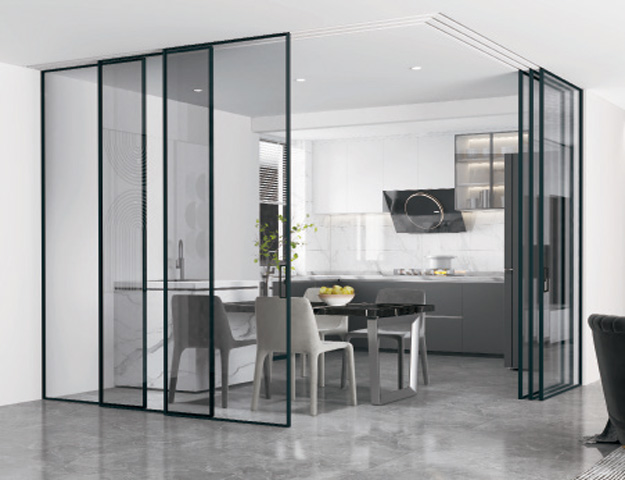
State Crown’s innovative linked sliding doors feature master-slave synchronization technology where multiple panels move in perfect unison. The patented track system with self-aligning rolle...
CASEMENT WINDOW
CASEMENT WINDOW GB-60
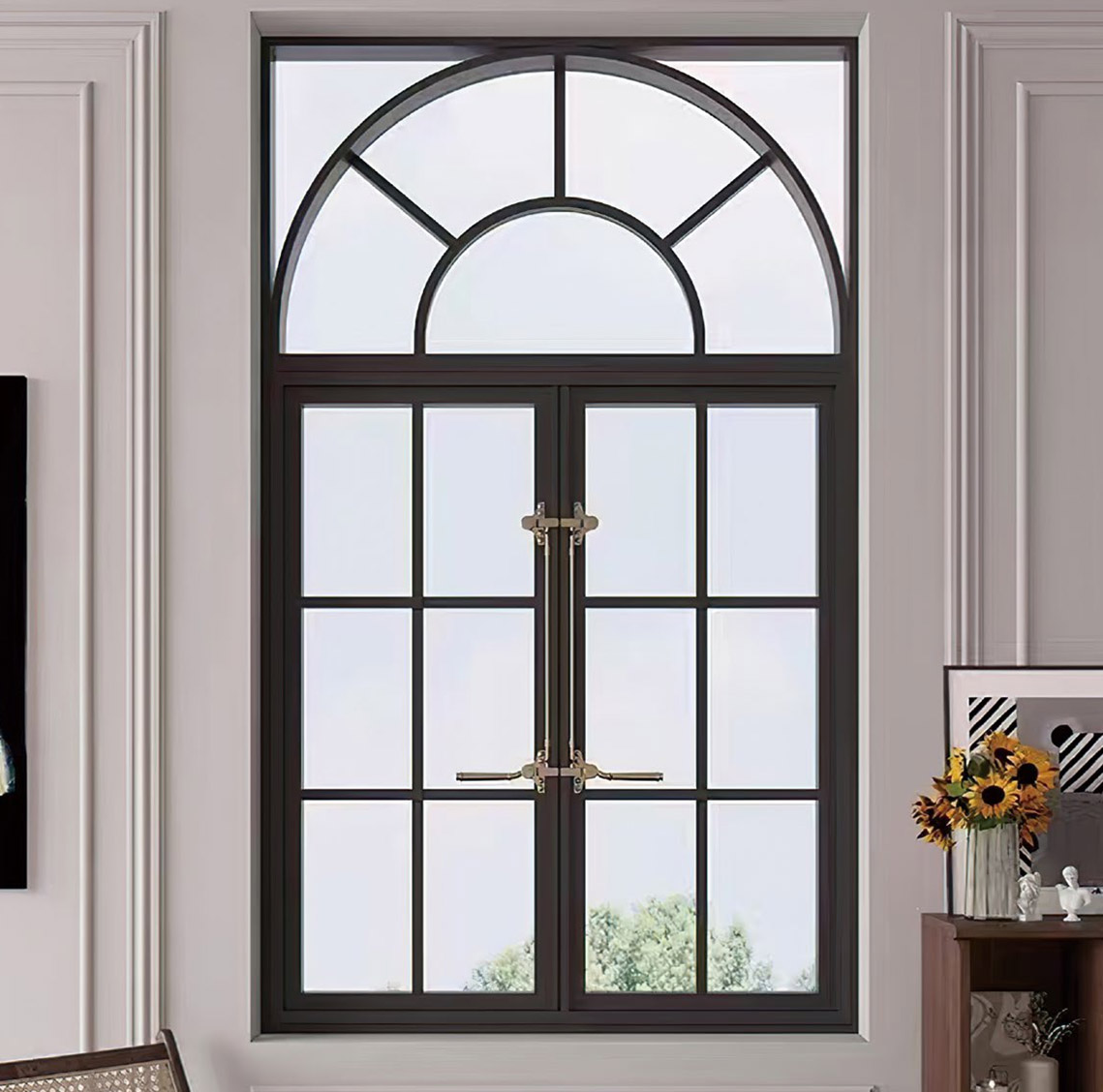
Constructed with industrial-grade stainless steel gears and anti-corrosion linkage mechanisms, the GB-60 guarantees long-term functionality even under frequent use. Its precision-engineered struct...
CASEMENT DOOR
CASEMENT DOOR GB-70
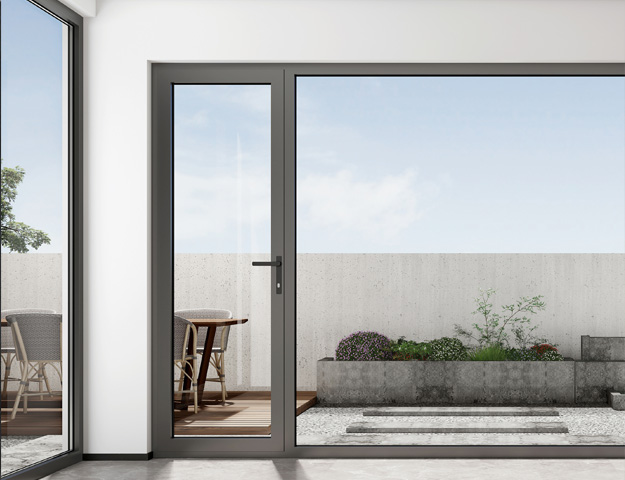
State Crown’s casement doors combine classic aesthetics with contemporary engineering. Featuring full-height aluminum stiles and rails with concealed multi-point locks, they provide secure a...
Contact State Crown
Custom Solutions for Global Projects
Established in 2005, we specialize in the customization of premium aluminum alloy doors and windows. With over ten years of industry experience, we are committed to the product philosophy of "Safety, Practicality, and Advanced Technology".
- ISO9001 Quality Management System
- EU CE certification
- IPMS (Intellectual Property Management System)
- Australian, American, and Canadian standards
We are located in Foshan, Guangdong, just under one hour's drive from Guangzhou Baiyun International Airport, in the heart of the Pearl River Delta Economic Zone.
If you are interested in any of our products, or would like to discuss a custom order, please feel free to contact us. We look forward to building long-term business relationships with clients around the world.