Casement Windows VS Sliding Windows: 2025 Space Adaptation Guide – Choose Wisely!
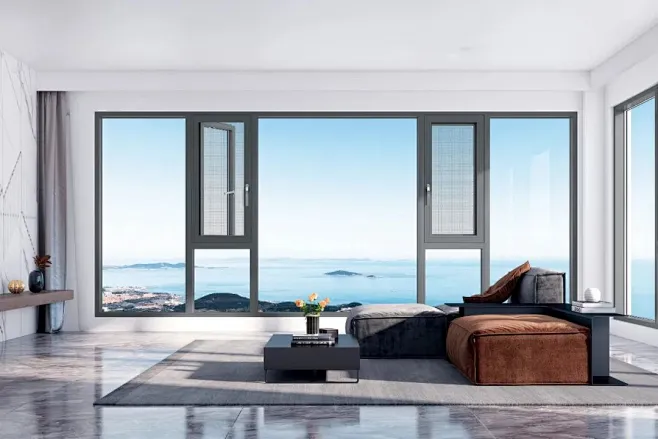
Windows are not only the “light link” of home spaces but also the core component to isolate external disturbances and guard home comfort. They can frame the scenery of four seasons, resist wind and rain, and block noise, whose impact on daily life is far beyond imagination. However, many friends always get stuck between Casement Windows and Sliding Windows when choosing doors and windows: which one is more suitable for their own house type? Will installing the wrong one in different spaces affect the living experience? Today, we will sort out the selection logic from core differences, applicable scenarios and other dimensions!
I. Sealing King: Core Advantages and Applicable Scenarios of Casement Windows
Casement Windows are fixed to the window frame with hinges, which can be opened inward or outward. Common types include inward-opening inward-tilting windows and outward-opening top-hung windows (a new “inward-opening micro-ventilation” model in 2025, more suitable for high-rises). Its biggest highlights are Sealing Performance and Sound Insulation & Safety, which can be called the “comfort guardian” for residences in busy urban areas and near streets.
- Sealing Principle: When the sash is closed, EPDM rubber strips (with weather resistance of -40℃~80℃, latest industry standard) are tightly pressed in all directions, with a wind, rain and dust blocking rate of over 95%, and noise attenuation of 35-45 decibels. After installation in street-facing residences, the indoor noise can be reduced to below 30 decibels (meeting the 2025 home noise reduction standard).
- Ventilation Feature: The opening area of a single sash is about 35% (2025 measured average), with gentle ventilation that does not blow directly, avoiding the impact of strong winds on indoor temperature stability.
- Safety Details: Equipped with anti-fall ropes (load-bearing ≥50kg) and multi-speed limiters, high-rise residents do not have to worry about sash falling; the design of large fixed glass + small opening sash increases the landscape integrity by 60%, suitable for leisure and viewing.
👉 Applicable Spaces & Notes for Casement Windows
| Applicable Spaces | Core Reasons |
|---|---|
| Bedrooms, Studies | Need sound insulation and privacy protection; gentle ventilation does not disturb rest/work |
| High-rise Balconies (7th floor+) | Inward-opening/inward-opening inward-tilting models do not occupy outdoor space, with high safety factor |
| All Spaces of Street-facing Residences | Strong sealing performance, blocking traffic noise and dust |
⚠️ FAQ: What should be avoided when choosing casement windows for high-rises?Answer: External-opening and outward-opening top-hung windows are strictly prohibited for floors above the 7th! The risk of sash falling increases 3 times in strong winds. It is recommended to prioritize inward-opening inward-tilting or inward-opening micro-ventilation models, balancing safety and practicality.
II. Ventilation Expert: Core Advantages and Applicable Scenarios of Sliding Windows
Sliding Windows open and close left and right along the track, which can be single-sash or multi-sash linked. The core highlights are Ventilation Efficiency and Space Utilization Rate, especially suitable for small apartments and low-rise residences, known as the “space-saving ventilation artifact”.
- Ventilation Capacity: The maximum opening area can reach 60% (multi-sash sliding design), which can quickly form cross ventilation. The indoor air replacement speed is twice that of casement windows. In summer, it can reduce the indoor temperature by 3-5℃, and effectively prevent moisture and dehumidify in humid areas.
- Space Advantage: It does not occupy indoor or outdoor space when opened, avoiding conflicts with curtains, furniture, faucets, etc., and increasing the layout flexibility of small apartments by 40%.
- Durability Upgrade: The mainstream 2025 models adopt 304 stainless steel slide rails, with a load-bearing capacity of over 80kg and a sliding life of more than 100,000 times, no need to worry about jamming in daily use.
👉 Applicable Spaces & Core Advantages of Sliding Windows
- Small Apartment Living Rooms/Kitchens: High ventilation demand, no impact on cabinet and sofa placement;
- Bathrooms: Opening does not occupy the shower area, combined with anti-fog glass, full of practicality;
- Low-rise Residences (1st-6th floors): No risk of falling objects from high altitudes, prioritizing ventilation efficiency;
- Mild Climate Areas: No need for strong sealing to resist extreme weather, ventilation demand is greater than thermal insulation demand.
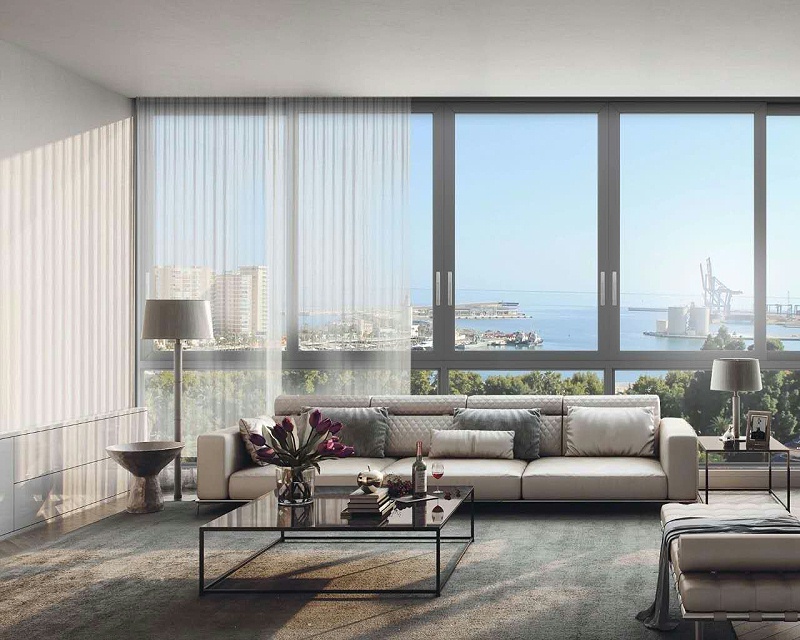
III. Core Difference Comparison Table: Casement Windows VS Sliding Windows (2025 Latest Data)
| Comparison Dimensions | Casement Windows | Sliding Windows |
|---|---|---|
| Sealing Performance | 🌟🌟🌟🌟🌟 (Blocking rate 95%+) | 🌟🌟🌟🌟 (Blocking rate 80%+) |
| Ventilation Area | About 35% (Single sash) | 40%-60% (Multi-sash linkage) |
| Space Occupation | Inward-opening occupies indoor space; outward-opening occupies outdoor space | No space occupation |
| Applicable Floors | 7th floor+ (Prioritize inward-opening models) | 1st-6th floors (Suitable for low-rises) |
| Core Advantages | Sound insulation, thermal insulation, safety | Fast ventilation, space-saving, easy operation |
| Maintenance Cost | Rubber strips need to be replaced every 5 years, low cost | Slide rails need regular cleaning, no additional replacement cost |
IV. Key Thinking for Choosing Windows: 3 Core Principles
- First look at the floor: Prioritize Casement Windows (inward-opening models) for high-rises, and Sliding Windows for low-rises;
- Then look at the scenario: Choose casement windows for spaces needing sound insulation/thermal insulation (bedrooms, studies), and sliding windows for spaces needing ventilation/space-saving (living rooms, kitchens, small apartments);
- Finally look at the climate: Choose casement windows for cold northern areas (needing thermal insulation), and sliding windows for mild and humid southern areas (needing ventilation).
In fact, there is no absolute “better” when choosing windows, only “more suitable”. Combining your own floor, space needs and climate characteristics, you can accurately match the right window type and double the home comfort!
Contact State Crown
Explore the State Crown products
CASEMENT WINDOW
BULLETPROOF CASEMENT WINDOW GB-88
State Crown’s certified bullet-resistant casement windows provide UL Level 1-8 ballistic protection without compromising aesthetics. Constructed with multi-laminated glass (up to 60mm thick)...
SLIDING DOOR
HEAVY DUTY LIFT-SLIDE DOOR GB-127
The GB-127 Heavy Duty Lift-Slide Door combines robust engineering with effortless operation, designed to meet high performance standards in both commercial and residential settings. Its innovative...
Windows
OCEANIA AWNING WINDOW GB-55
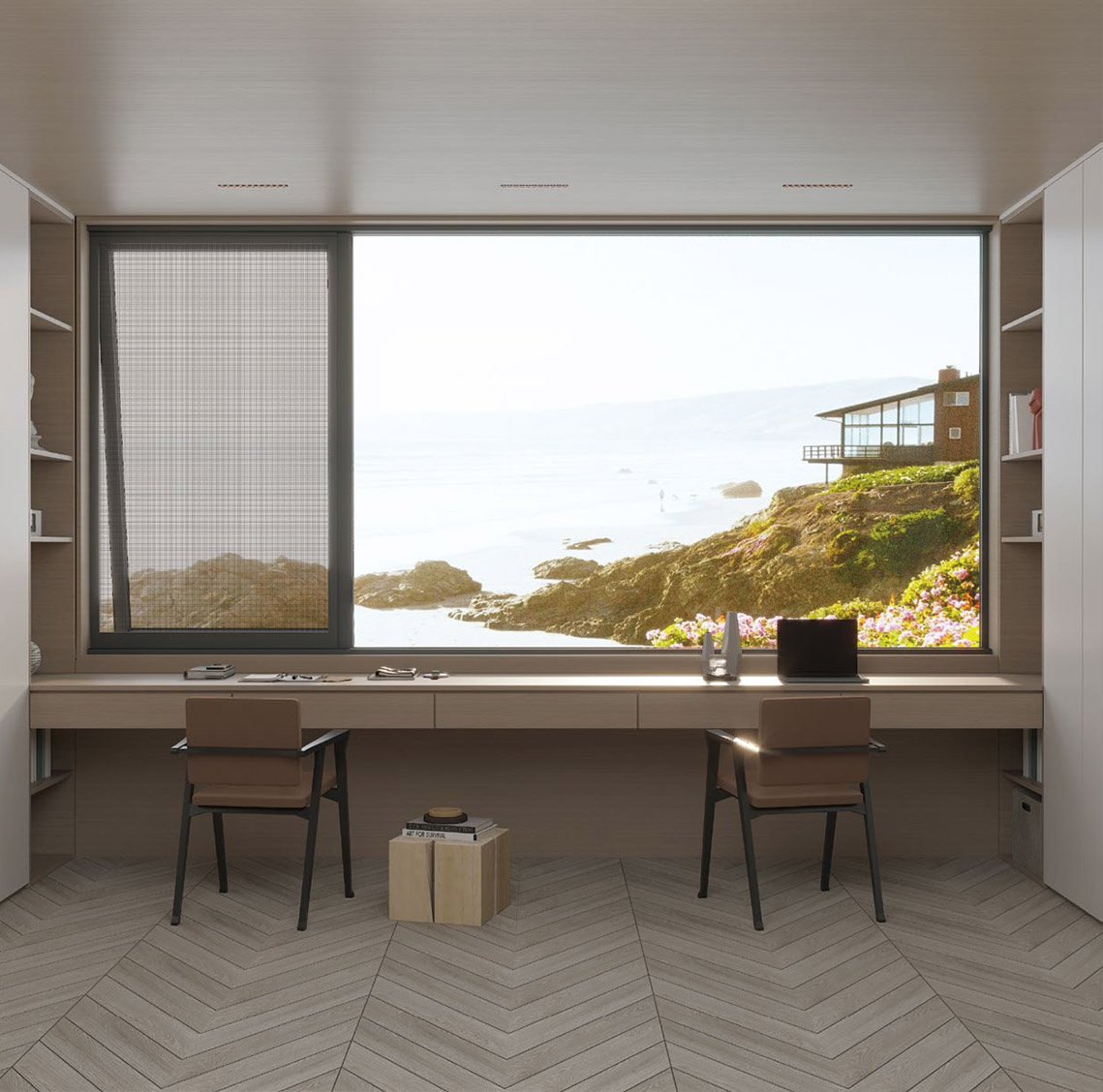
The OCEANIA AWNING WINDOW GB-55 combines robust engineering with user-friendly operation, offering smooth hand-crank functionality ideal for hard-to-reach placements. Designed with heavy-duty stai...
Contact State Crown
Custom Solutions for Global Projects
Established in 2005, we specialize in the customization of premium aluminum alloy doors and windows. With over ten years of industry experience, we are committed to the product philosophy of "Safety, Practicality, and Advanced Technology".
- ISO9001 Quality Management System
- EU CE certification
- IPMS (Intellectual Property Management System)
- Australian, American, and Canadian standards
We are located in Foshan, Guangdong, just under one hour's drive from Guangzhou Baiyun International Airport, in the heart of the Pearl River Delta Economic Zone.
If you are interested in any of our products, or would like to discuss a custom order, please feel free to contact us. We look forward to building long-term business relationships with clients around the world.