Horizontal Sliding Windows vs. Single Hung: Which Offers Better Value for High-Rise Buildings?
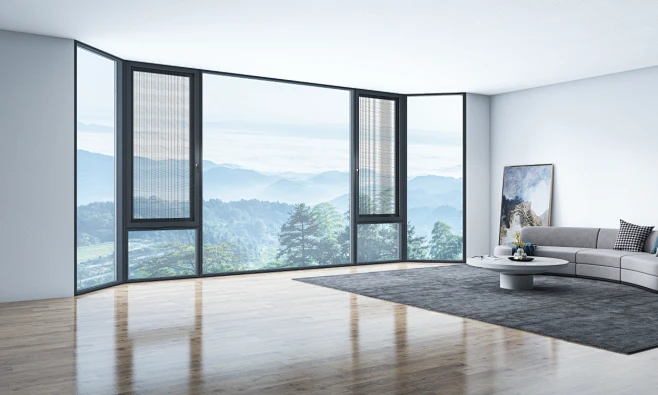
In high-rise residential and multi-family projects, window type selection is never a mere aesthetic consideration, but a comprehensive trade-off between performance, cost, and maintenance. Horizontal Sliding Windows and Single Hung Windows, as two major mainstream categories, have long occupied the core of project procurement lists. Interestingly, the differences in their applicable scenarios often lie in the special needs of high-rise buildings—wind resistance, easy installation, low loss, each of which may influence the final decision.
Structure and Performance: The Core Game of Two Opening Methods
Single Hung Windows adopt a vertical opening structure, where only the lower sash slides up and down, and the upper sash is fixed. This design relies on a counterweight system to control the opening range, and compresses the sealing strip by gravity when closed, performing stably in low-rise buildings. However, in high-rises, the wear of the counterweight system will accelerate under strong wind loads, possibly causing opening jams after long-term use.
In contrast, Horizontal Sliding Windows’ horizontal sliding mechanical structure is more suitable for high-altitude environments. The sash slides along the track via pulleys, with uniform force and no additional balancing components, and its wind resistance can reach the Grade 6 standard required for high-rise buildings through actual tests. When our factory produces horizontal sliding aluminum windows wholesale orders, we find that the profile loss rate of this structure is 40% lower than that of single hung windows, making it especially suitable for mass standardized production.
Key Indicator Comparison Table
| Comparison Dimension | Horizontal Sliding Windows | Single Hung Windows |
|---|---|---|
| Energy Rating (K-value) | 1.8-2.2 W/(㎡·K) (three-seal model) | 2.0-2.5 W/(㎡·K) (affected by gravity sealing) |
| Installation Time per Unit | 40 minutes (pre-assembled track) | 65 minutes (adjusting counterweight system) |
| Transportation Loss Rate | 3% (modular packaging) | 8% (hardware vulnerable to collision) |
| Maintenance Frequency | Track cleaning every 6 months | Counterweight and strip inspection every 3 months |
Cost and Scenarios: Value Trade-offs for High-Rise Projects
Oversized windows are common in high-rise projects, where the cost advantage of Horizontal Sliding Windows becomes particularly prominent. Due to vertical force limitations, single hung windows require thicker profiles when the single sash width exceeds 1.2 meters, increasing material costs by 30%; sliding windows, however, distribute force through tracks, allowing a single sash to reach 2.0 meters wide while maintaining structural stability, which is more in line with the demand for best value windows for multi-family high-rise projects in bulk purchases.
The experience gap in ventilation and cleaning is also interesting. Single hung windows only open at the lower sash, with limited ventilation area but preventing rainwater backflow, suitable for rainy areas; sliding windows can open 50% of the area, offering a clear view, though the tracks are prone to dust accumulation—fortunately, our factory has optimized the track design with hidden drainage grooves, reducing cleaning difficulty significantly. For high-rise residents, cleaning external windows is inherently risky; sliding windows allow internal cleaning without leaning out, making them safer than single hung windows.
Factory Perspective: Delivery and Loss Optimization Solutions
In fact, from production to delivery, sliding windows are more compatible with the efficiency needs of high-rise projects. Adopting the “modular pre-production + on-site assembly” model, our sliding windows’ tracks and pulleys can be integrated in advance, shortening the delivery cycle to 15-20 days; single hung windows, which require on-demand adjustment of the counterweight system, usually have a delivery cycle of 25-30 days.
Improvements in sealing performance have also broken traditional perceptions. In the past, sliding windows relied on wool strips for sealing, resulting in poor air tightness. Now upgraded to a three-seal structure of EPDM strips + wool strips, the air permeability is reduced to 0.12 m³/(㎡·h), competing favorably in single hung windows vs horizontal sliders energy rating. In contrast, single hung windows’ sealing strips may age unevenly due to long-term gravity extrusion, potentially causing air leakage after 5 years.
Frequently Asked Questions (FAQ)
Q: Which window type is more suitable for high-density housing? A: Prioritize low maintenance window types for high-density housing, i.e., sliding windows. Their simple maintenance and efficient installation adapt to the needs of unified property inspection, with lower long-term use costs.
Q: Do single hung windows have no advantages in high-rises at all? A: Not exactly. In extremely narrow balconies or corridors, single hung windows do not occupy horizontal space and offer better anti-theft performance, suitable for auxiliary areas with low ventilation needs.
Q: Can energy efficiency be compensated by glass configuration? A: Yes. Both can further improve energy efficiency when paired with 5+15A+5 insulated argon glass, though single hung windows still slightly lag behind sliding windows of the same configuration due to sealing structure limitations.
Ultimately, the core of window selection for high-rise projects is “compatibility”. Horizontal Sliding Windows are more suitable for bulk engineering needs in terms of cost, efficiency, and maintenance, while Single Hung Windows fit scenarios with special space and anti-theft requirements. The essence of factory production optimization is to help project parties find a balance between performance and cost.
Contact State Crown
Explore the State Crown products
SLIDING WINDOW
SLIDING WINDOW GB-75
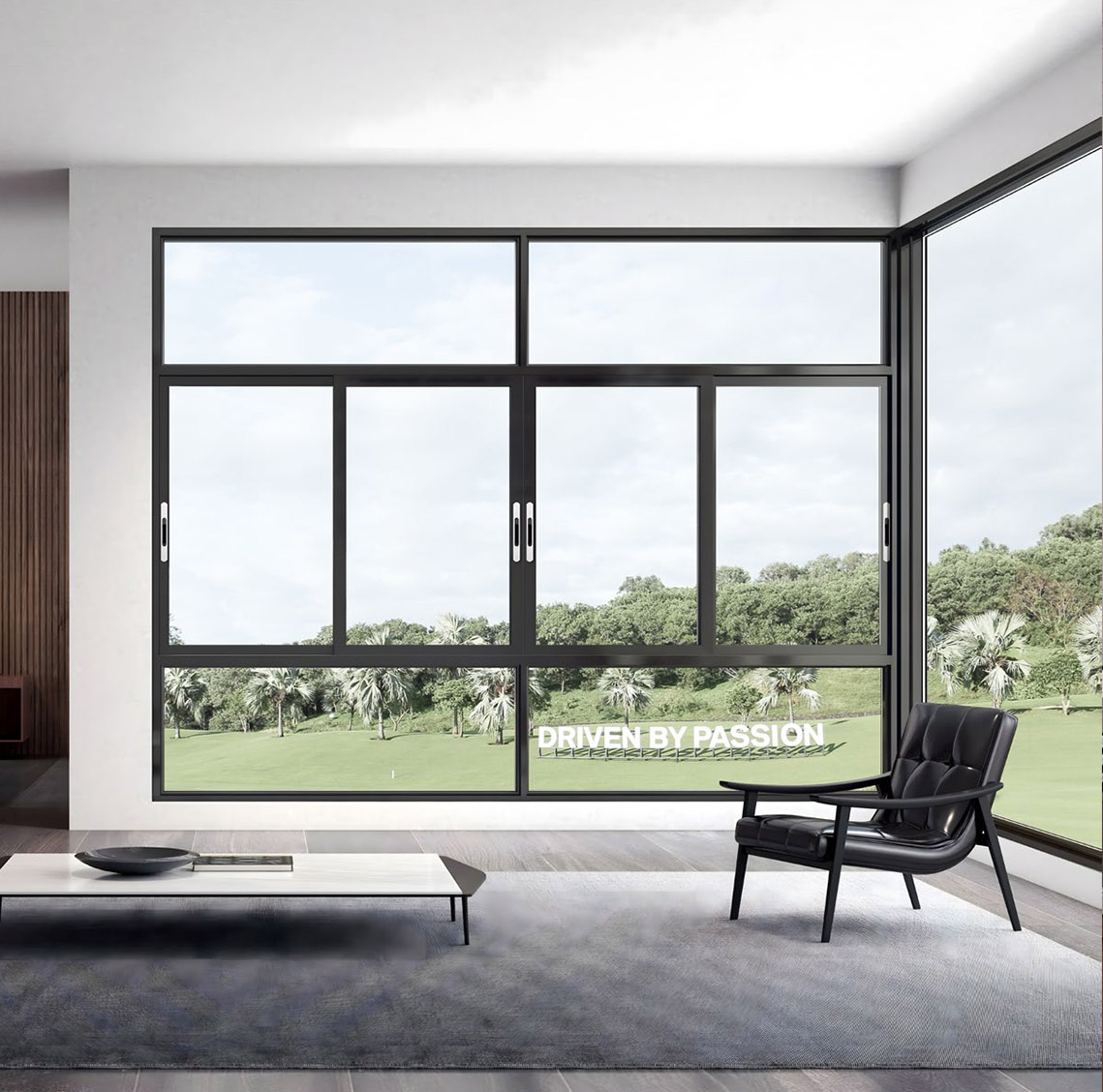
Engineered for modern architectural needs, the GB-75 sliding window combines robust construction with effortless operation. Ideal for residential and commercial applications, this system offers su...
Windows
OCEANIA AWNING WINDOW GB-55
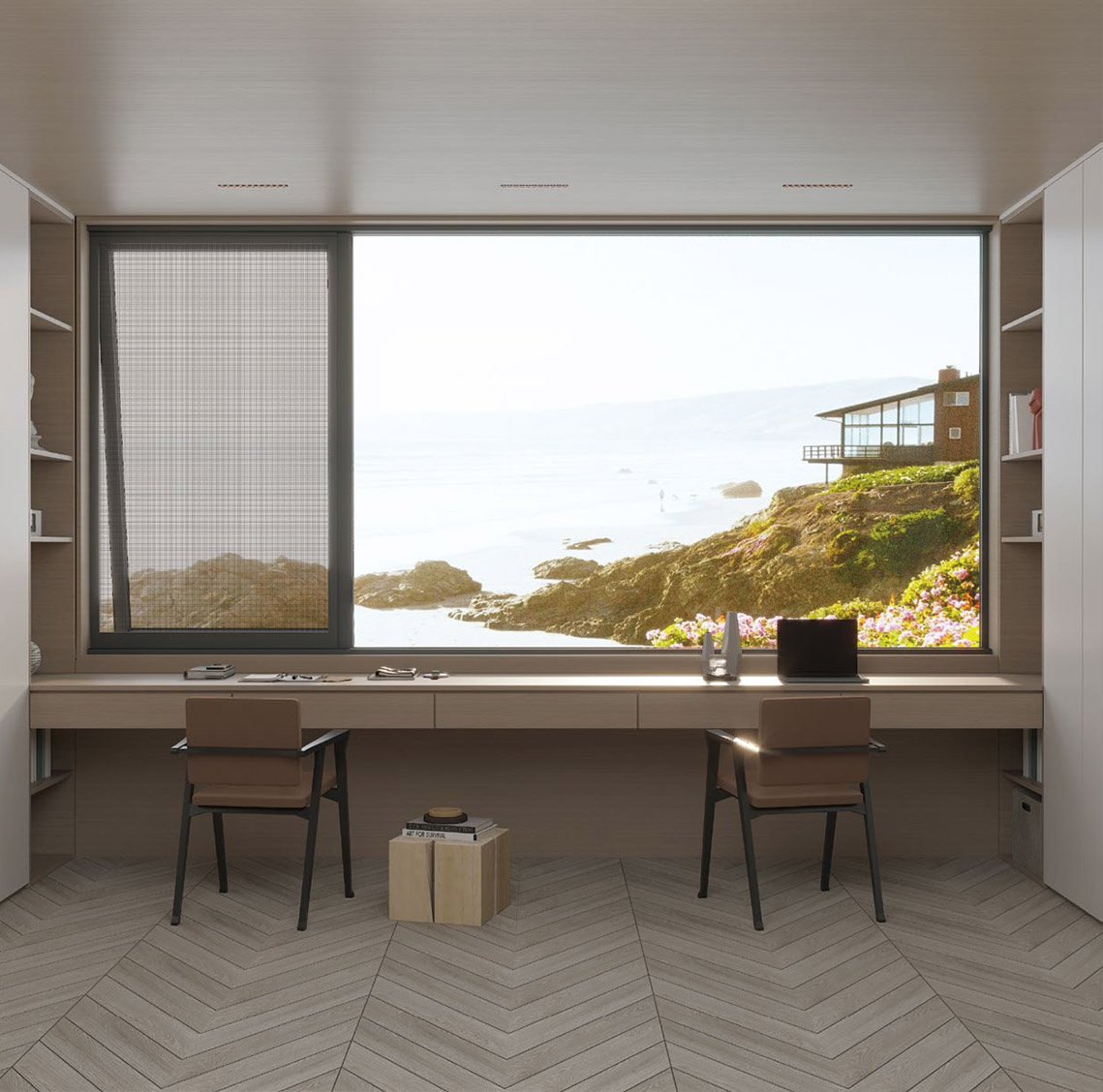
The OCEANIA AWNING WINDOW GB-55 combines robust engineering with user-friendly operation, offering smooth hand-crank functionality ideal for hard-to-reach placements. Designed with heavy-duty stai...
CASEMENT DOOR
CASEMENT DOOR GB-70
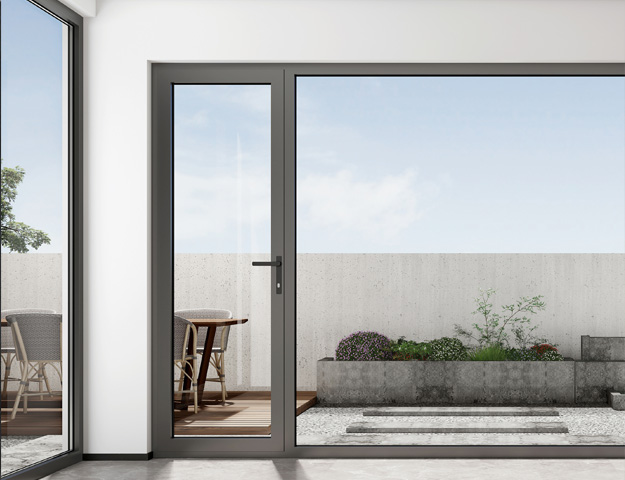
State Crown’s casement doors combine classic aesthetics with contemporary engineering. Featuring full-height aluminum stiles and rails with concealed multi-point locks, they provide secure a...
Contact State Crown
Custom Solutions for Global Projects
Established in 2005, we specialize in the customization of premium aluminum alloy doors and windows. With over ten years of industry experience, we are committed to the product philosophy of "Safety, Practicality, and Advanced Technology".
- ISO9001 Quality Management System
- EU CE certification
- IPMS (Intellectual Property Management System)
- Australian, American, and Canadian standards
We are located in Foshan, Guangdong, just under one hour's drive from Guangzhou Baiyun International Airport, in the heart of the Pearl River Delta Economic Zone.
If you are interested in any of our products, or would like to discuss a custom order, please feel free to contact us. We look forward to building long-term business relationships with clients around the world.