How to Choose High-Performance Sliding Windows for High-Rise Buildings?
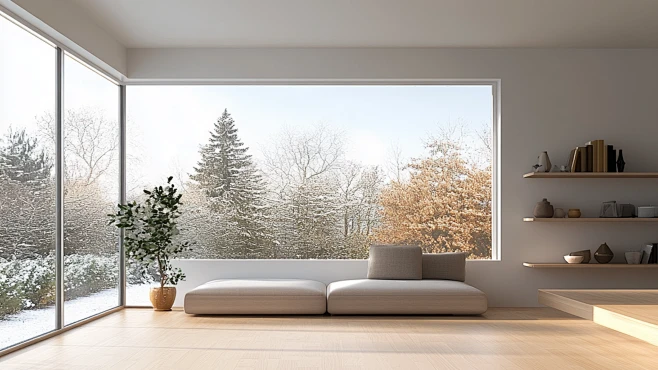
Living on the 20th floor or above, you’re greeted with panoramic views the moment you push open the window—but have you ever wondered what kind of “strength” a sliding window needs to stand up to high-altitude gales and sudden downpours? For high-rise buildings, high-performance sliding windows are far more than just decorative or light-admitting fixtures; they’re the first line of defense against external risks. Choose the wrong one, and issues like air leakage, water seepage, or safety hazards may follow one after another.
The unique conditions of high-rise environments make selecting sliding windows much more complex than for low-rise buildings. Strong wind loads, the risk of rainwater backflow, and high-altitude safety protection are core issues that can’t be ignored. Below, we’ll combine practical purchasing scenarios and the latest industry standards to share how to pick reliable high-rise sliding windows—useful insights for both homeowners preparing for renovations and construction professionals alike.
Core Performance Indicators to Prioritize
1. Wind Pressure Resistance: Building a Sturdy “Wind-Resistant Frame”
Wind at high altitudes is no joke—the higher the floor, the stronger the wind. Ordinary sliding windows can easily shake, deform, or even leak. The key to high wind load resistance sliding windows for high-rises lies in profile thickness and structural design. Profiles are like the “skeleton” of a window: for buildings above the 15th floor, opt for aluminum profiles with a thickness of at least 2.0mm; for super-high-rises above the 30th floor, upgrading to 2.5mm thickness is a safe bet.
Interestingly, thoughtful structural design matters more than just increasing thickness. Our factory conducted tests in a wind tunnel, simulating Category 5 hurricane conditions with wind speeds of 280km/h. Sliding windows with multi-chambered structures and evenly distributed stress points remained intact without any deformation or loosening, while those with ordinary single-chamber profiles already developed gaps.
2. Water Tightness & Drainage System: Keeping Heavy Rain at Bay
During rains in high-rises, rainwater hits windows at an angle driven by strong winds. Poor sealing or inadequate drainage will almost certainly lead to leaks. The water penetration resistance standards for sliding windows were updated in 2024—qualified high-rise sliding windows must withstand 500Pa of water pressure without seepage, equivalent to sustaining a continuous 5cm-deep water flow impact on the window surface.
A truly reliable design is the stepped drainage system. Unlike ordinary single-channel drainage, it features multi-layered grooves and diversion slopes. After rainwater hits the window frame, it quickly drains along preset paths—even during torrential downpours, no water pools in the tracks. Our factory also added invisible filters at the drainage outlets to prevent clogging by debris without hindering water flow. After years of supplying high-rise projects, we’ve never received complaints about drainage issues from customers.
3. Safety Glazing: Balancing Protection and Transparency
A glass breakage in a high-rise can have catastrophic consequences, so safety glass is mandatory. Tempered glass is the basic option—it shatters into small, rounded particles that won’t scratch people. For enhanced protection, laminated glass is worth the investment. Composed of two glass layers bonded with a PVB interlayer, it holds broken shards in place even when cracked, preventing falls while also blocking some noise.
Our factory equips high-rise sliding windows with 8mm tempered glass as standard, with the option to customize 6mm+0.76mm+6mm laminated glass—both meet the latest ANSI Z97.1 safety standards. Many customers worry that safety glass might reduce light transmission, but in reality, there’s almost no difference compared to ordinary glass. You can enjoy unobstructed views with complete peace of mind.
4. Hardware & Anti-Fall Components: Invisible “Safety Locks”
Hardware acts as the “joints” of sliding windows, and its durability and safety are even more critical in high-rise applications. Anti-lift blocks for high-rise sliding window safety are a must—these small metal pieces securely lock the sash, preventing it from being lifted even in extreme winds.
We pair our windows with 304 stainless steel rollers and handles. Each roller can support up to 200kg and has been tested for over 100,000 opening and closing cycles—even if used 5 times a day, it will last more than 50 years. Compare that to ordinary windows with plastic rollers, which become stiff and worn out in just a few years. Replacing hardware in high-rises is a hassle, so choosing the right one from the start saves a lot of trouble.
| Performance Aspect | Ordinary Sliding Windows | High-Performance Sliding Windows (2024 Standards) |
|---|---|---|
| Wind Pressure Resistance | ≤150Pa | ≥350Pa (up to 500Pa for super-high-rises) |
| Water Tightness | ≤250Pa | ≥500Pa |
| Glass Type | Ordinary float glass | Tempered or laminated safety glass |
| Hardware Material | Plastic or low-grade steel | 304/316 stainless steel |
| Anti-Fall Feature | None | Built-in anti-lift blocks |
FAQs: Addressing Your Purchasing Concerns
Q: High-performance sliding windows are much more expensive than ordinary ones—are they worth it? It’s true that the initial investment is higher, but they’re incredibly cost-effective in the long run. Their superior sealing reduces air conditioning energy consumption in summer and retains heat in winter, saving you a significant amount on electricity bills each year. They’re also more durable, eliminating the need for frequent repairs or replacements. Most importantly, they provide peace of mind for your family—something that can’t be measured in money.
Q: I live in an older high-rise and want to replace my windows—will installation be troublesome? Not at all. We offer customized services: professional technicians will conduct on-site precise measurements and design windows to fit existing openings. Installation doesn’t require damaging the wall structure and can be completed in half a day—you can start using your new windows right away.
Q: Are there any easily overlooked factors besides these? You might want to consider sound insulation. While high-rises are far from ground-level noise, wind noise and neighborly disturbances can still be annoying. The multi-chambered profiles and insulated safety glass of high-performance sliding windows effectively block noise—look for a sound reduction rating of at least 30 decibels. Close the window, and you’ll have a quiet indoor space instantly.
Choosing sliding windows for high-rises is essentially about choosing safety and comfort. Focus on these core aspects—wind pressure resistance, water tightness, safety glass, and hardware—and tailor your choice to your living environment and needs. This way, you’ll avoid most pitfalls. After all, the core of high-rise living is peace of mind. A reliable sliding window lets you truly enjoy the openness and comfort of high-altitude living.
Contact State Crown
Explore the State Crown products
HAND-CRANK WINDOW
HAND-CRANK WINDOW GB-100
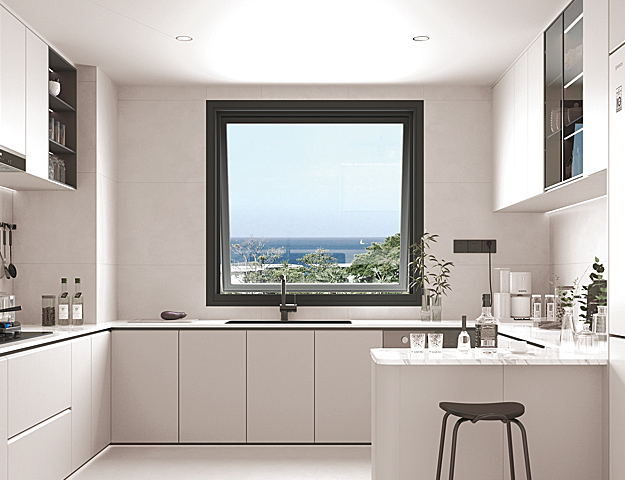
State Crown’s hand-crank windows solve accessibility challenges with smooth mechanical operation. Featuring heavy-duty stainless steel gears and corrosion-resistant linkage systems, our cran...
SLIDING DOOR
OCEANIA SLIDING DOOR GB-128
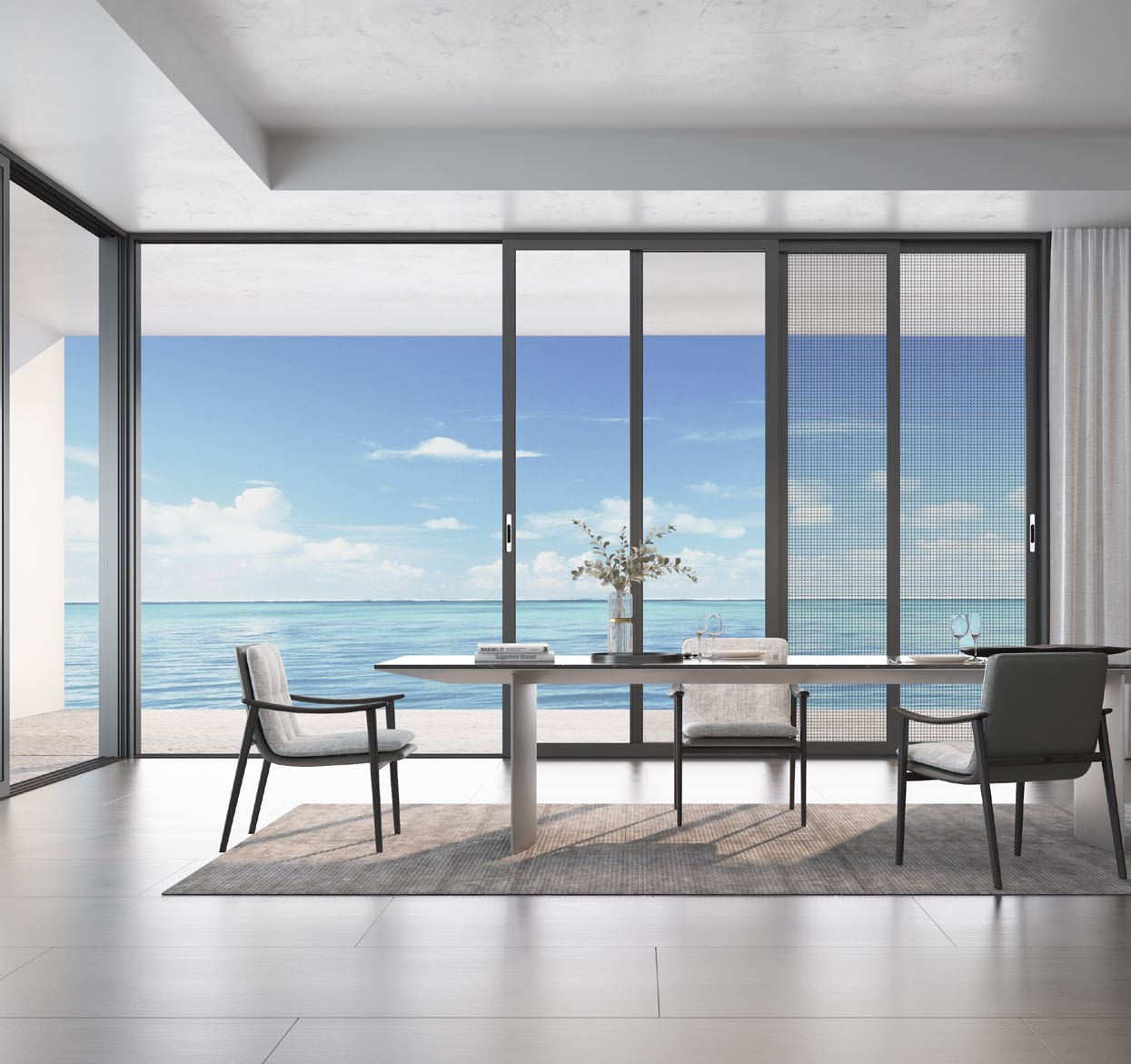
Constructed with a non-thermal break design and 5mm+15A+5mm double tempered glass, the GB-128 offers enhanced safety and insulation. Its hardware, engineered by Bonway, ensures seamless movement a...
CASEMENT WINDOW
BULLETPROOF CASEMENT WINDOW GB-88
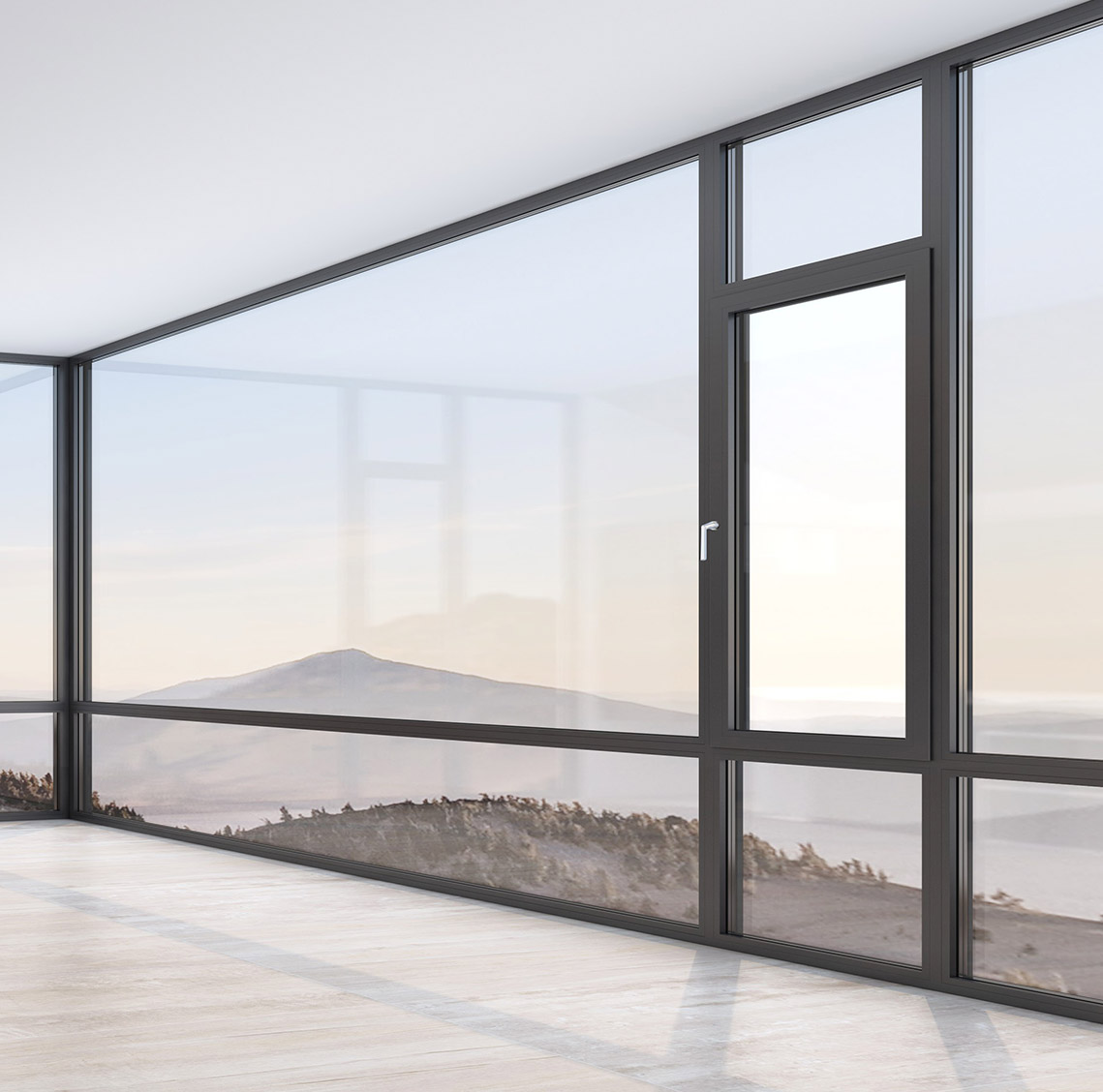
State Crown’s certified bullet-resistant casement windows provide UL Level 1-8 ballistic protection without compromising aesthetics. Constructed with multi-laminated glass (up to 60mm thick)...
Contact State Crown
Custom Solutions for Global Projects
Established in 2005, we specialize in the customization of premium aluminum alloy doors and windows. With over ten years of industry experience, we are committed to the product philosophy of "Safety, Practicality, and Advanced Technology".
- ISO9001 Quality Management System
- EU CE certification
- IPMS (Intellectual Property Management System)
- Australian, American, and Canadian standards
We are located in Foshan, Guangdong, just under one hour's drive from Guangzhou Baiyun International Airport, in the heart of the Pearl River Delta Economic Zone.
If you are interested in any of our products, or would like to discuss a custom order, please feel free to contact us. We look forward to building long-term business relationships with clients around the world.