Hurricane Proof Window: Must-Have for 2026 Hurricane Season – Fix Wind Resistance & Leakage Pain Points
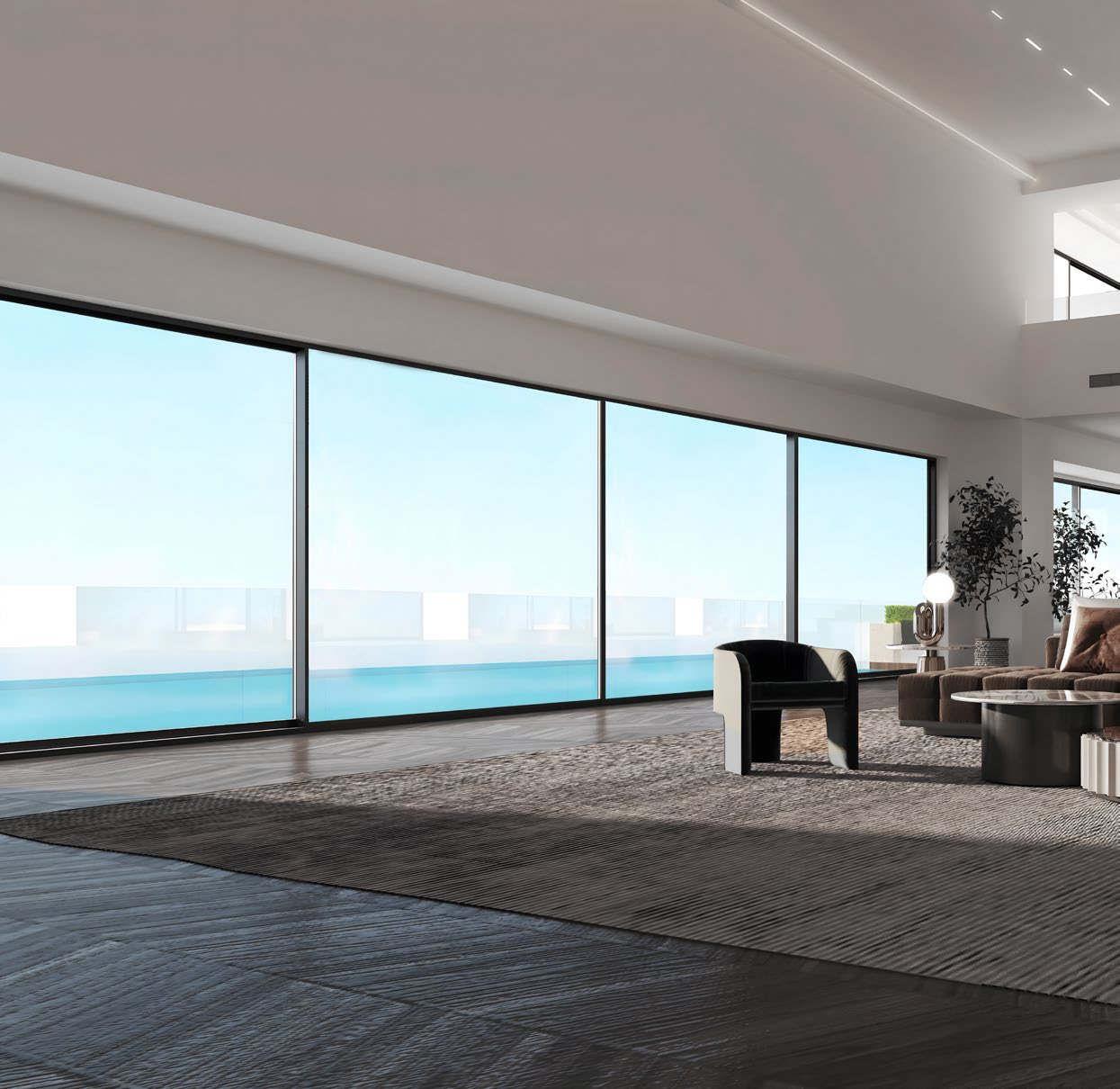
Hurricane proof window is no longer an optional add-on for coastal families, but a life-saving necessity ahead of the 2026 hurricane season. Who would have thought that after last year’s hurricanes, many families’ expensive “wind-resistant windows” were practically useless – rainwater poured in, glass cracked, floors were ruined, furniture moldy, and repair bills often topped ten thousand dollars. According to the latest forecast from the UK-based Tropical Storm Risk (TSR) in December 2025, 14 named storms will form in the North Atlantic in 2026, with 7 escalating into hurricanes. The protective shortcomings of ordinary windows will only be more fatal this year.
Truth be told, this isn’t an anomaly – it’s an “expectation gap” often overlooked in the industry, as noted by engineering firm SGH. Many windows meet local building codes for wind pressure resistance but leak frequently under heavy rain, simply because the codes only require windows to withstand strong winds without breaking (to protect structural safety), while their water penetration resistance typically only reaches 15%-20% of their structural wind pressure capacity. In the 2026 hurricane season, such “seemingly qualified but ineffective” windows will clearly fail to protect families.
Why Ordinary “Wind-Resistant Windows” Can’t Withstand 2026 Hurricanes? Check This Comparison
Many people think “thick glass + aluminum frames” equal hurricane proof windows, but few realize that truly hurricane-resistant windows must solve three core problems: wind resistance, water resistance, and energy efficiency. Especially in 2026, many coastal states (such as Florida and Texas) have updated building standards, imposing stricter requirements on the overall performance of windows and doors. The table below clearly shows the gap between STATE CROWN’s Hurricane Proof Windows and common industry products:
| Core Pain Points | Issues with Ordinary Wind-Resistant Windows | STATE CROWN Hurricane Proof Window Solutions |
|---|---|---|
| Heavy Rain Leaks | Water resistance is only 15%-20% of structural pressure, leading to seepage in heavy rain | Four-layer EPDM gaskets + dual water guide channels, water resistance reaches 30% of structural pressure, suitable for 2026 heavy rainfall scenarios |
| Insufficient Wind Resistance | Most only withstand 180mph winds (Category 3 hurricanes), unable to resist Category 4 | Reinforced aluminum alloy frame + multi-cavity structure, wind pressure resistance up to 220mph (Category 4 hurricane limit), compliant with Florida HVHZ high-wind zone standards |
| Poor Energy Efficiency | Thermal K-value mostly above 1.2, high air conditioning costs | Equipped with Low-E triple-pane insulated glass, K-value as low as 0.75, balancing wind resistance and energy efficiency, aligning with North American carbon neutrality policies |
| Long-Term Aging | Sealing gaskets crack in 1-2 years, requiring replacement in 3-5 years | Fluorocarbon coating on frames + UV-resistant gaskets, corrosion resistance lifespan extended to 18 years, reducing maintenance costs after 2026 |
You might wonder: Can “plywood boarding” or “storm shutters” (as recommended in FEMA’s October 2025 guidelines) replace hurricane proof windows? Honestly, these are just temporary emergency measures – plywood is heavy and takes 2-3 hours to install, which may not be feasible when a hurricane is approaching; shutters are convenient but need to be removed after each storm, making them troublesome for long-term use. Last year in South Carolina, a customer first used shutters, but heavy rain from Hurricane “Sara” seeped through the shutter gaps, bulging all the living room walls; after switching to our Hurricane Proof Windows, their home stayed completely dry during the strong storm earlier this year.
Common Questions About Hurricane Proof Windows in 2026
Q1: When buying hurricane proof windows in 2026, what new indicators should I check besides wind speed resistance?
A1: Ask for at least two more numbers – first, “water resistance pressure ratio”; good products now reach over 30% (like ours), so avoid those below 20%, otherwise leaks will still occur in 2026’s heavy rains. Second, “energy efficiency K-value”; California’s 2026 new regulations require a K-value ≤ 0.8, and choosing one below this will save a lot on air conditioning bills in summer. A California customer calculated that a window with a K-value of 0.75 saves nearly $300 annually on electricity compared to one with 1.2.
Q2: I’m a renter, and my landlord refuses to install fixed hurricane proof windows. What can I do?
A2: Talk to your landlord about “removable models” – STATE CROWN offers lightweight hurricane proof sashes that don’t damage walls during installation and can be stored after the hurricane season. This protects the property without the landlord worrying about “permanent modifications.” FEMA actually recommends renters negotiate such “temporary but effective” protective measures with landlords. Last year, a Texas renter proposed this, and the landlord even covered half the cost – after all, repairing damaged windows would be more expensive for the landlord.
Q3: If I install hurricane proof windows, will there be absolutely no leaks during the 2026 hurricane season?
A3: “Absolutely no leaks” is an overstatement, but we can reduce the risk to over 90%. For example, we conduct water pressure tests after installation to ensure tight sealing; however, if you live in an old house with wall cracks, rainwater may seep through the walls. So it’s advisable to check the walls before installation – use polyurethane caulk (recommended by FEMA) to repair small cracks, which costs only tens of dollars but avoids big troubles.
Q4: How long does it take to customize hurricane proof windows? Can I get them installed before the 2026 hurricane season?
A4: Customization usually takes 3-4 weeks. If you order now, installation will be completed by May, well before the hurricane season starts in June. However, note that many manufacturers may have more orders in 2026, so it’s best to order 1 month in advance. Don’t wait until the hurricane is approaching – last year, a customer delayed ordering and only got installation 3 days before the hurricane, which was extremely stressful.
The 2026 hurricane season won’t wait for you to “get ready.” The role of hurricane proof windows isn’t just to block storms, but to let you sleep soundly through hurricane nights without fretting over leaks, and avoid regretting damaged valuables the next day. Instead of scrambling to fix things when the storm is near, it’s wiser to secure your home’s protection now – STATE CROWN’s Hurricane Proof Windows have been fully adapted to 2026’s new standards and intense hurricane trends, with materials and designs tailored to the actual needs of coastal families. After all, home protection isn’t about “close enough” – only “reliable enough” can guard your peace of mind when the storm hits.
Contact State Crown
Explore the State Crown products
CASEMENT WINDOW
CASEMENT WINDOW GB-K80
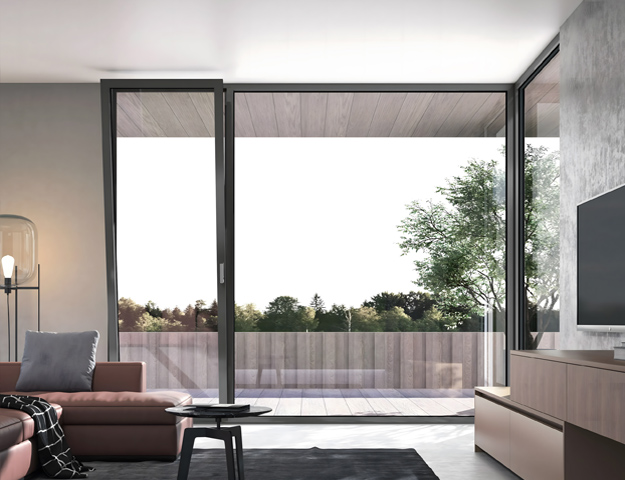
State Crown’s casement windows redefine ventilation efficiency with their outward-opening design that captures cross-breezes effectively. Constructed with thermally broken aluminum profiles ...
HAND-CRANK WINDOW
HAND-CRANK WINDOW GB-100
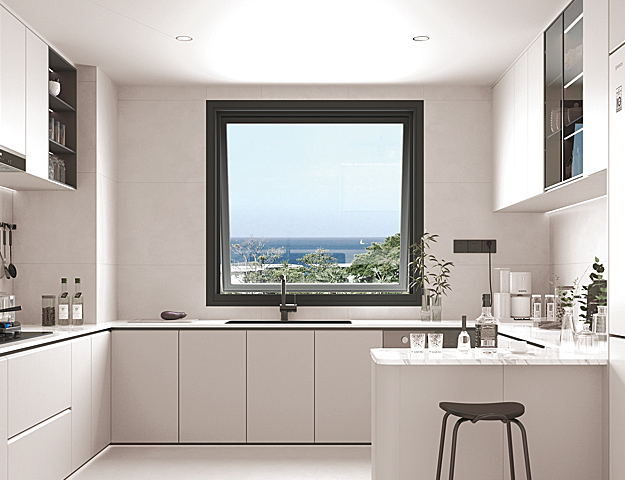
State Crown’s hand-crank windows solve accessibility challenges with smooth mechanical operation. Featuring heavy-duty stainless steel gears and corrosion-resistant linkage systems, our cran...
CASEMENT WINDOW
BULLETPROOF CASEMENT WINDOW GB-88
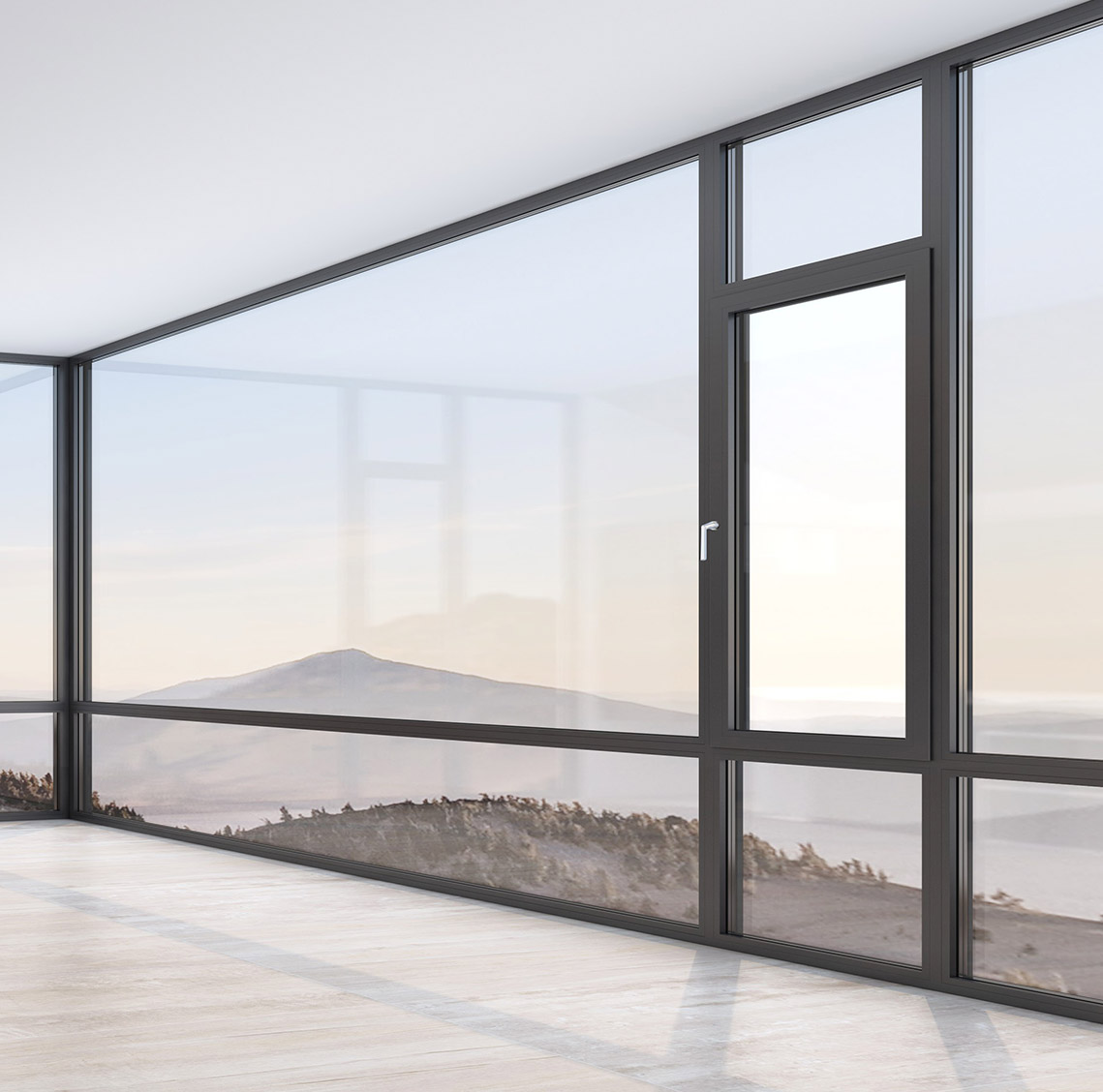
State Crown’s certified bullet-resistant casement windows provide UL Level 1-8 ballistic protection without compromising aesthetics. Constructed with multi-laminated glass (up to 60mm thick)...
Contact State Crown
Custom Solutions for Global Projects
Established in 2005, we specialize in the customization of premium aluminum alloy doors and windows. With over ten years of industry experience, we are committed to the product philosophy of "Safety, Practicality, and Advanced Technology".
- ISO9001 Quality Management System
- EU CE certification
- IPMS (Intellectual Property Management System)
- Australian, American, and Canadian standards
We are located in Foshan, Guangdong, just under one hour's drive from Guangzhou Baiyun International Airport, in the heart of the Pearl River Delta Economic Zone.
If you are interested in any of our products, or would like to discuss a custom order, please feel free to contact us. We look forward to building long-term business relationships with clients around the world.