Sliding glass door: Engineering Adaptation Guide—Supporting Smooth Delivery of Global Projects
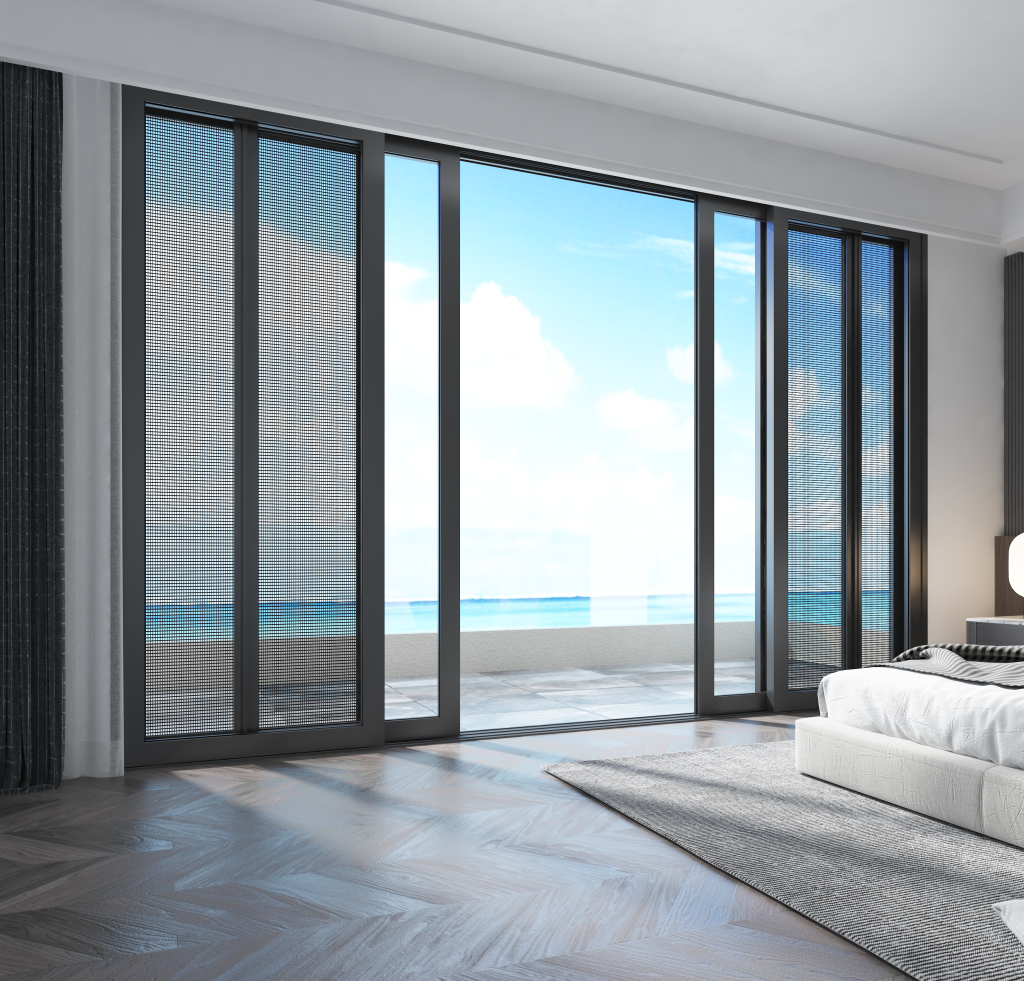
When selecting building materials for commercial buildings, apartment complexes, or hotel projects, the choice of sliding glass door often impacts overall project quality, operating costs, and even acceptance outcomes. These doors are more than just simple partitions; they must withstand high-frequency use, meet local technical standards, and adapt to diverse construction scenarios. Drawing on the latest global industry practices and engineering experience in 2025, this guide outlines key selection points to help you mitigate hidden risks during project execution.
Material Performance: The Foundation of Long-Term Stable Operation
For projects with long service lives and high foot traffic, the material of sliding glass door directly dictates its durability. The primary profiles available are aluminum-magnesium alloy and recycled aluminum, but engineering-grade requirements are far stricter than those for residential use.
High-quality aluminum-magnesium alloy profiles should hold ISO 9001 quality certification, with a minimum thickness of 1.4mm and tensile strength of 280MPa or higher—this ensures the door body won’t deform or loosen even after years of frequent sliding. While recycled aluminum profiles offer cost advantages, their inconsistent material properties make them prone to corrosion in humid coastal regions or areas with extreme temperature fluctuations, potentially leading to early maintenance issues.
Environmental compliance is equally critical. Many regions impose strict regulations on building materials: the EU mandates adherence to REACH directives, for instance, while the US sets rigorous standards for volatile organic compounds (VOC) in materials. Always request relevant test reports from suppliers upfront to avoid customs delays or project acceptance failures due to non-compliant materials. After all, no one wants to redo work midway because Sliding glass door materials fail to meet requirements.
Pulleys & Tracks: Minimize Long-Term Maintenance Costs
In public spaces like shopping mall corridors, hotel lobbies, and office buildings, Sliding glass door may be opened and closed hundreds of times daily. The quality of pulleys and tracks directly influences maintenance frequency and operational expenses.
High-performance pulleys should feature sealed, dust-proof stainless steel bearings to prevent debris from entering, ensuring smooth sliding for over 100,000 cycles without failure. A common misconception in project selection is prioritizing “ultra-light sliding.” In reality, engineering-grade sliding glass door often uses large-format glass panels, and pulleys with appropriate weight and stable load-bearing capacity prevent misalignment and noise during operation.
Track design must balance safety and practicality. For high-foot-traffic areas, non-slip surface tracks are ideal, with a height difference limited to 3mm to avoid tripping hazards. Additionally, the track structure should be easy to disassemble and maintain—allowing for quick cleaning and part replacement without disrupting project operations. Who wants to shut down a public area for an entire day just to repair a Sliding glass door track?
Customization & Supply Chain: Adapt to Diverse Project Needs
Every project has unique requirements: some atriums need extra-large glass panels, some office buildings require energy-efficient Low-E glass, and others demand custom frame colors to match the project’s color scheme. Therefore, the customization capabilities and supply chain stability of sliding glass door suppliers are particularly crucial.
First, confirm the supplier’s customization scope: can they provide seamless large-format panels (e.g., 3m×2.5m), offer multiple glass options (tempered, frosted, energy-saving, etc.), and match colors to the project’s color card? Second, production lead time is a key factor affecting construction schedules—reliable suppliers should guarantee a 2-4 week delivery cycle for bulk customization and provide clear production schedules and logistics tracking.
For logistics, glass products require professional packaging and transportation solutions for long-distance shipping. Verify if the supplier has international shipping experience, offers flexible trade terms (FOB, CIF, etc.), and uses packaging that meets long-distance transportation requirements (e.g., shockproof and moisture-proof packaging to prevent glass breakage). Additionally, complete customs clearance documents (product certificates, certificates of origin, etc.) are essential to ensure timely delivery to the construction site.
Origin & Cost: Balance Quality and Budget
Sliding glass door prices vary significantly by origin, and project procurement needs to balance quality, cost, and supply chain stability. Below are 2025 bulk procurement reference prices (based on orders of 100 square meters or more):
| Origin Type | Core Advantages | Bulk Unit Price (USD/㎡) | Suitable Scenarios |
|---|---|---|---|
| Chinese Export | Strong customization capabilities, mature production lines | 80-150 | Projects pursuing cost-effectiveness and personalized needs |
| Southeast Asian OEM | Proximity to regional markets, lower labor costs | 70-130 | Budget-constrained projects in Southeast Asia |
| European/American Original | High compliance, mature technical standards | 200-450 | High-end projects with strict quality requirements |
It’s important to note that when choosing low-cost suppliers, always conduct sample testing first to avoid quality issues caused by corner-cutting. For long-term cooperative projects, signing a framework agreement with suppliers to clarify quality standards, delivery deadlines, and after-sales responsibilities can effectively reduce cooperation risks.
Easily Overlooked Key Details
1. Local Technical Certification
Different regions have distinct building safety standards. For example, North American projects require sliding glass door to comply with ANSI/WDMA I.S.1A-2022, while European projects need CE certification. Before procurement, confirm that the product meets local safety and energy efficiency indicators—otherwise, it may fail final project acceptance.
2. After-Sales Support Capabilities
Engineering projects have high demands for after-sales service. Ask suppliers if they have overseas after-sales partners or technical support teams, if replacement parts can be delivered promptly, and if they provide on-site installation guidance and training. Suppliers with inadequate after-sales support may cause project downtime due to minor Sliding glass door malfunctions.
3. Batch Consistency
For large-scale projects like apartment complexes, batch consistency of sliding glass door is critical. Request pre-shipment inspection reports from suppliers to ensure uniform size, color, and sliding performance across each batch. Imagine installing doors in the same building with inconsistent colors or varying sliding feels—it would severely impact the project’s overall quality and reputation.
How to Ensure Correct Selection?
Choosing sliding glass door for global projects is more than just a procurement transaction; it’s a key link in ensuring project success. We recommend conducting multi-dimensional assessments: first, review the supplier’s relevant project cases to verify experience with similar projects; second, request product samples for performance testing (e.g., sliding durability, sound insulation); finally, clarify customization, delivery, and after-sales details in the contract.
Every project is unique, and sliding glass door selection should be tailored to local conditions. Whether adapting to coastal climates, meeting local environmental standards, or balancing cost and quality, professional suppliers will provide targeted solutions. If you encounter customization challenges, compliance certification confusion, or need stable cross-border supply chain support during project advancement, feel free to contact us—with years of experience in global sliding glass door customization and supply, we can offer end-to-end services from product design and compliance certification to logistics delivery based on your project scenario, making your project implementation smoother and more efficient. After all, a reliable sliding glass door is not just a building material, but a solid guarantee for successful project delivery and long-term operation.
Contact State Crown
Explore the State Crown products
SLIDING DOOR
OCEANIA SLIDING DOOR GB-100
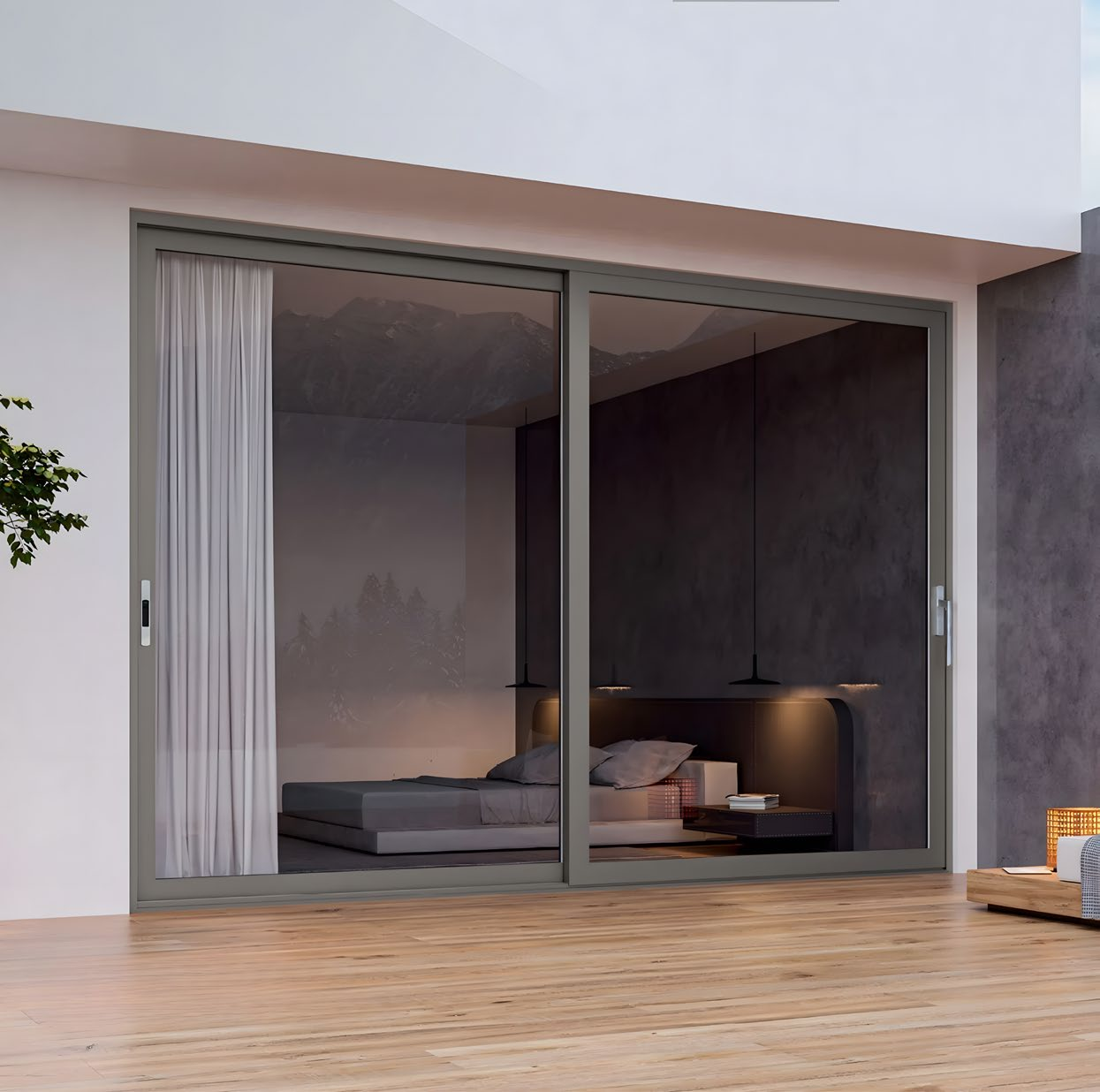
Designed for effortless operation and lasting performance, the OCEANIA SLIDING DOOR GB-100 combines sleek modern aesthetics with industrial-strength engineering. Ideal for residential and commerci...
CASEMENT WINDOW
CASEMENT WINDOW GB-K80
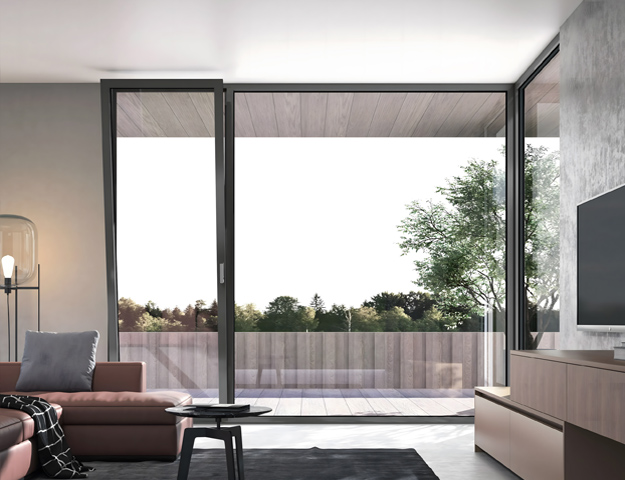
State Crown’s casement windows redefine ventilation efficiency with their outward-opening design that captures cross-breezes effectively. Constructed with thermally broken aluminum profiles ...
SLIDING DOOR
HEAVY DUTY LIFT-SLIDE DOOR GB-150
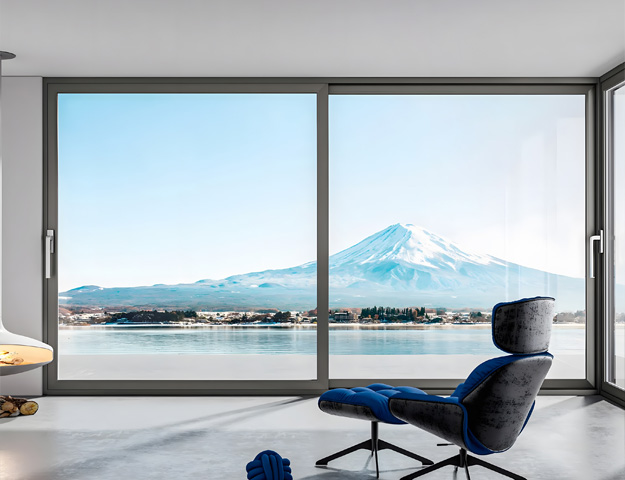
Our engineering marvel lift-slide doors combine monumental scale with precision operation. The unique lift-and-glide mechanism elevates panels (up to 500kg) before sliding, eliminating friction an...
Contact State Crown
Custom Solutions for Global Projects
Established in 2005, we specialize in the customization of premium aluminum alloy doors and windows. With over ten years of industry experience, we are committed to the product philosophy of "Safety, Practicality, and Advanced Technology".
- ISO9001 Quality Management System
- EU CE certification
- IPMS (Intellectual Property Management System)
- Australian, American, and Canadian standards
We are located in Foshan, Guangdong, just under one hour's drive from Guangzhou Baiyun International Airport, in the heart of the Pearl River Delta Economic Zone.
If you are interested in any of our products, or would like to discuss a custom order, please feel free to contact us. We look forward to building long-term business relationships with clients around the world.