Thermal Break vs. Non-Thermal Break Aluminum Windows: Which is Best for Commercial Projects?
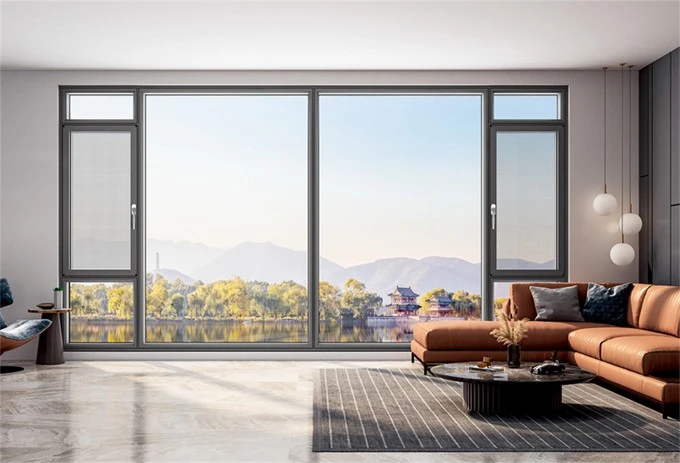
With the full upgrade of green building standards in 2026, selecting doors and windows for commercial buildings has become a crucial decision for project managers. High-quality Aluminum Windows remain the mainstream due to their corrosion resistance and customizability, but when facing the demand for energy-efficient commercial Aluminum Windows, how to choose between Thermal Break Aluminum Windows and Non-Thermal Break Aluminum Windows? Many people are torn between initial costs and long-term benefits. As an industry insider with 15 years of experience in commercial doors and windows at STATE CROWN (GD Window), we help you break through the selection confusion with the latest 2026 industry data and practical cases.
What is thermal break aluminum technology? There’s no need to overcomplicate it. The core secret of Thermal Break Aluminum Windows lies in inserting PA66GF25 nylon strips between aluminum profiles – this is like building a “heat insulation firewall” in the metal frame, completely cutting off the path of heat transfer. In contrast, Non-Thermal Break Aluminum Windows are traditional integrated aluminum profiles, where heat can penetrate unobstructed, making air conditioners work in vain in summer and allowing heating to escape quietly in winter. Interestingly, this seemingly simple structural difference directly determines whether a building can meet the strict energy efficiency rating system in 2026.
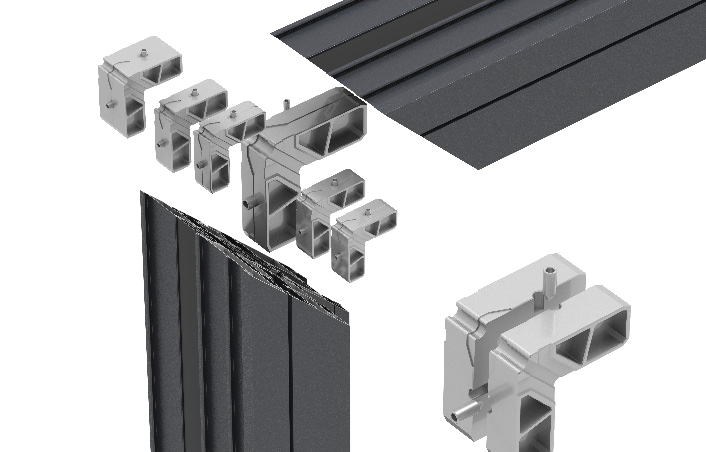
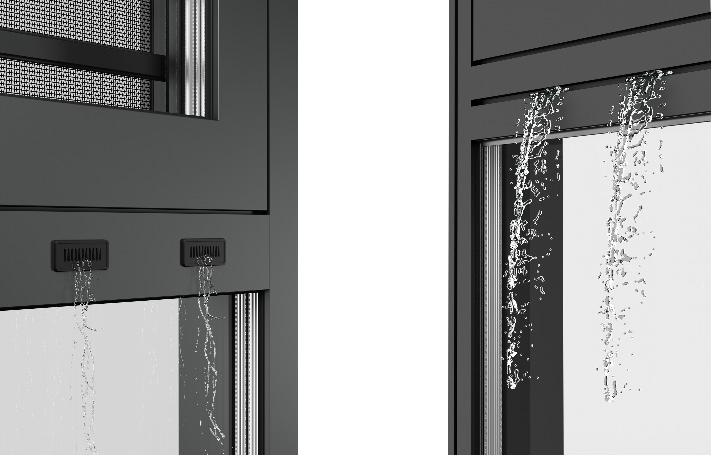
First, let’s look at a table of key performance comparisons based on the latest 2026 test data – numbers speak louder:
| Performance Dimension | Thermal Break Aluminum Windows | Non-Thermal Break Aluminum Windows |
|---|---|---|
| U-value | 1.6-2.5 W/(㎡·K) (Series 65-85) | 4.2-5.5 W/(㎡·K) (Regular Series) |
| Condensation Resistance Grade | Grade 5 (No condensation in severe cold/high humidity environments) | Grade 2-3 (Prone to water droplets in humid seasons) |
| Soundproofing (with double-layer Low-E glass) | 38-45 decibels | 26-31 decibels |
| Green Building Compatibility | Eligible for LEED/WELL certification bonus points | Meets only basic building standards |
| Expected Service Life | 25-30 years | 15-20 years |
| Annual Energy Saving Rate | 30%-40% (Commercial scenario test data) | No significant energy-saving effect |
Before choosing windows, these 3 core considerations should be clarified first:
- Does the building need to participate in green certification? In 2026, most commercial office buildings and hotel projects in cities have included LEED certification in their assessments, and LEED-certified compatible Aluminum Windows are preferred to be thermal break type;
- What is the climate zone of the project? In northern severe cold regions or southern extreme heat areas, the energy loss caused by heat transfer will be amplified, and the advantages of thermal break aluminum will be more obvious;
- What is the usage scenario of the windows? Areas with frequent human activities have much higher requirements for sound insulation and condensation resistance than functional spaces such as warehouses.
To be honest, the significance of condensation-resistant Thermal Break Aluminum Windows for projects such as hotels and high-end apartments is far more than just “no water dripping”. In a hotel chain project we undertook in 2026, ordinary aluminum windows were used initially, and the wall surfaces near guest room windows frequently dampened during the plum rain season, leading to a surge in customer complaints; after replacing with thermal break aluminum, the condensation problem was completely solved, and the guest room satisfaction rate increased by 28% directly. For simple shops or indoor partitions in tropical regions, Non-Thermal Break Aluminum Windows for tropical regions are more cost-effective. After all, such scenarios have no high requirements for energy saving and comfort, and the advantages of low initial cost and fast installation are more prominent.
Let’s talk about the energy consumption account – this is a long-term pain point for commercial projects. With the continuous rise in commercial electricity costs in 2026, an office building with 10 floors using Thermal Break Aluminum Windows can save HVAC costs every year, which can cover the additional initial investment in 3-5 years. Moreover, the service life of thermal break aluminum is 5-10 years longer than that of ordinary aluminum windows, and the later maintenance cost is also lower, so the cost-effectiveness completely crushes ordinary aluminum windows in the long run.
Here are some of the most frequently asked questions by customers in 2026, which may answer your doubts:
Q: Can Thermal Break Aluminum Windows help commercial buildings obtain LEED certification?
A: Absolutely. The low U-value and high energy efficiency of thermal break aluminum can earn bonus points for the “Energy and Atmosphere” section of LEED certification. In 2026, 37 of our commercial projects have successfully obtained certification relying on this type of window, which is also an important reason why it has become the first choice for high-end projects.
Q: What are the key points for selecting commercial Aluminum Windows in different climate zones?
A: For severe cold/cold regions (such as northern areas), prioritize Thermal Break Aluminum Windows of Series 75 or above, which have wider nylon strips and stronger thermal insulation effect; for subtropical/tropical regions (such as southern areas), if there are no mandatory energy-saving requirements for the project, Non-Thermal Break Aluminum Windows can be selected, but Low-E glass is recommended for west-facing facades; for coastal areas, regardless of the type selected, profiles with corrosion-resistant coatings should be chosen.
Q: What are the maintenance tips for commercial thermal break Aluminum Windows? Do they require frequent maintenance?
A: No special frequent maintenance is needed. Usually, pay attention to cleaning the dust on the tracks, avoid scratching the surface of the profiles with hard objects, check the sealing strips every 5 years, and replace them in time if there are signs of aging. For early projects we tracked in 2026, the thermal break aluminum doors and windows that have been used for 12 years still maintain good performance.
As a manufacturer specializing in the R&D and production of commercial Aluminum Windows, STATE CROWN (GD Window) has optimized three core series to meet the 2026 market demand: Series 65 focuses on cost-effectiveness, suitable for ordinary office buildings; Series 75 enhances thermal insulation and soundproofing, ideal for hotels and apartments; Series 85 is customized for green buildings, with a U-value as low as 1.6 W/(㎡·K), fully meeting the requirements of LEED Platinum certification.
Still hesitant about the selection? Choosing commercial doors and windows in 2026 means choosing peace of mind early. Contact STATE CROWN (GD Window), and we will provide free thermal performance evaluation and customized solutions based on your project’s climate, functional needs and certification goals, ensuring that every investment is spent wisely.
Contact State Crown
Explore the State Crown products
SLIDING WINDOW
SLIDING WINDOW GB-75
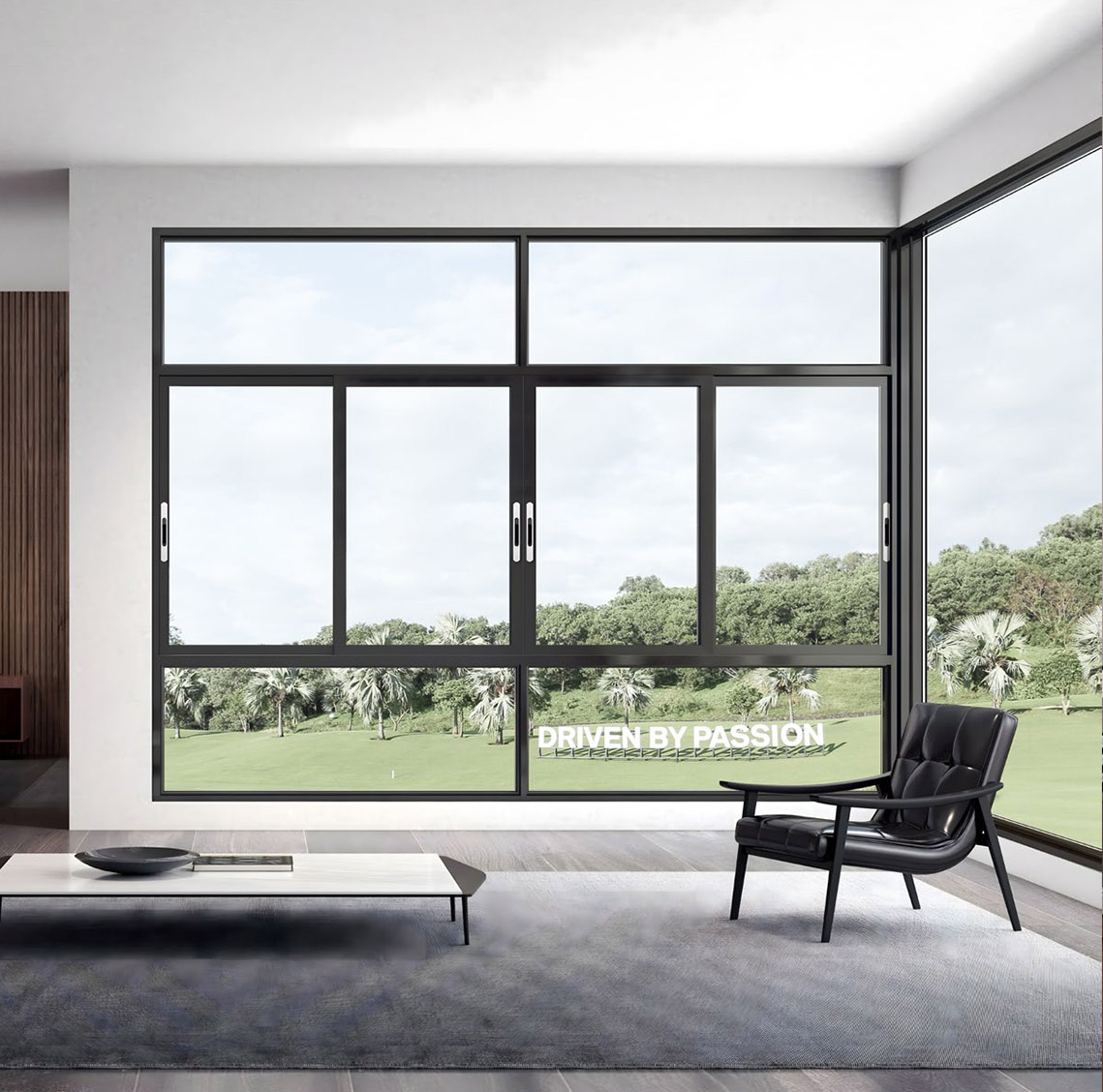
Engineered for modern architectural needs, the GB-75 sliding window combines robust construction with effortless operation. Ideal for residential and commercial applications, this system offers su...
Windows
OCEANIA AWNING WINDOW GB-55
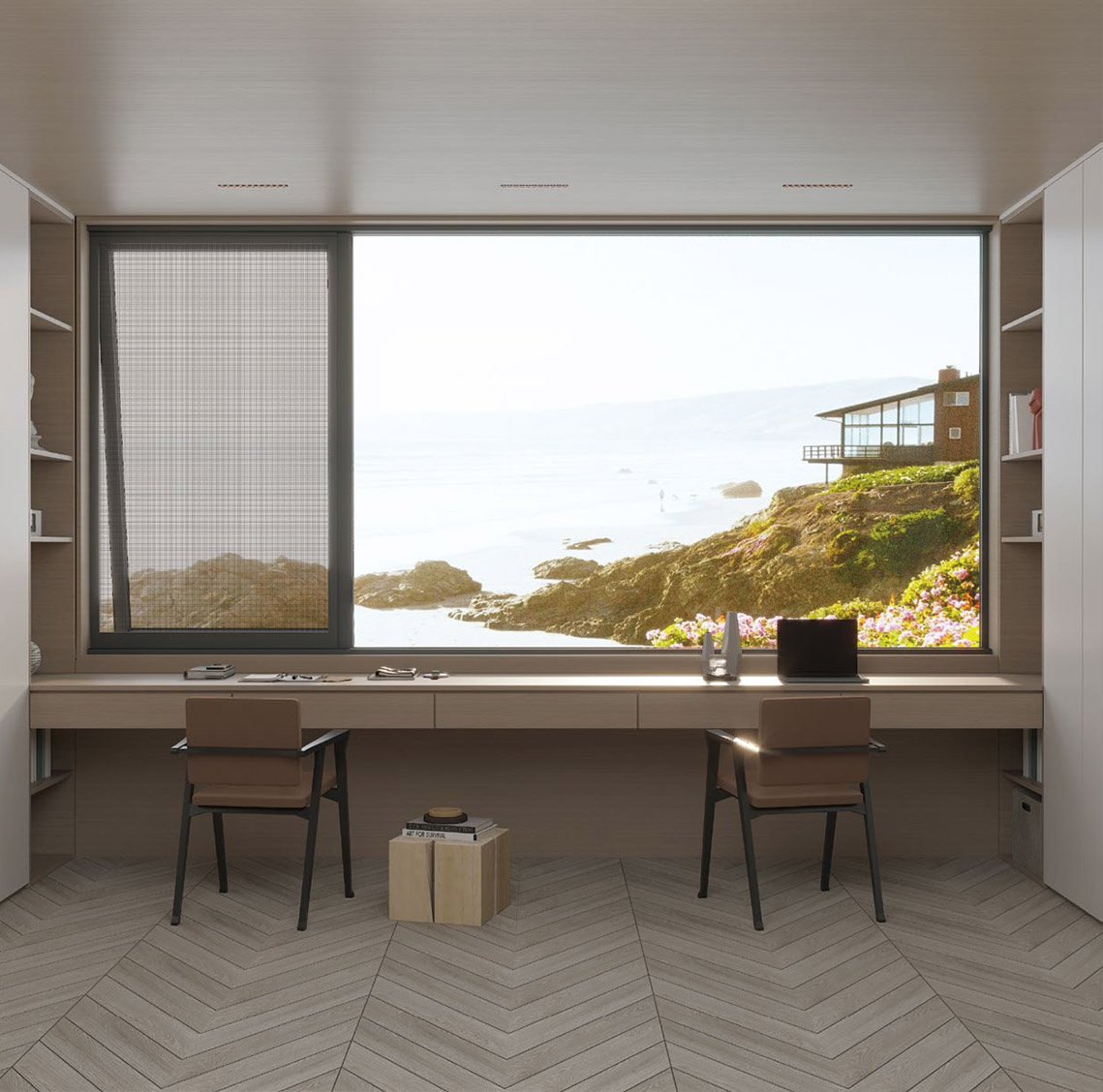
The OCEANIA AWNING WINDOW GB-55 combines robust engineering with user-friendly operation, offering smooth hand-crank functionality ideal for hard-to-reach placements. Designed with heavy-duty stai...
SLIDING DOOR
HEAVY DUTY LIFT-SLIDE DOOR GB-127
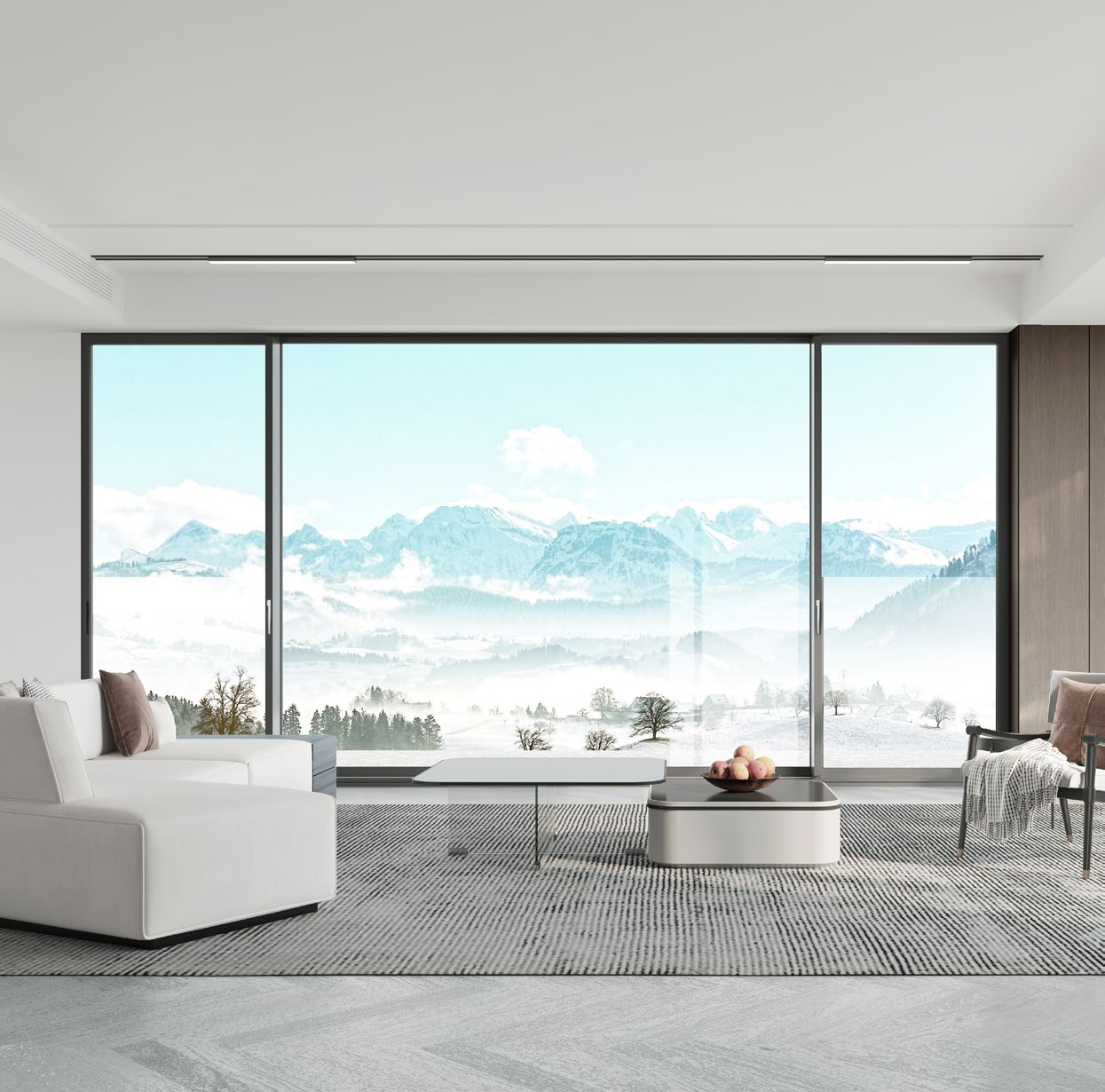
The GB-127 Heavy Duty Lift-Slide Door combines robust engineering with effortless operation, designed to meet high performance standards in both commercial and residential settings. Its innovative...
Contact State Crown
Custom Solutions for Global Projects
Established in 2005, we specialize in the customization of premium aluminum alloy doors and windows. With over ten years of industry experience, we are committed to the product philosophy of "Safety, Practicality, and Advanced Technology".
- ISO9001 Quality Management System
- EU CE certification
- IPMS (Intellectual Property Management System)
- Australian, American, and Canadian standards
We are located in Foshan, Guangdong, just under one hour's drive from Guangzhou Baiyun International Airport, in the heart of the Pearl River Delta Economic Zone.
If you are interested in any of our products, or would like to discuss a custom order, please feel free to contact us. We look forward to building long-term business relationships with clients around the world.